Author: ductcrew

How UV Lights Improve Indoor Air Quality

You might be surprised to learn how UV lights can transform the air quality in your home or office. By employing short-wavelength ultraviolet radiation, these lights actively neutralize harmful microorganisms, including bacteria and viruses, that lurk in the air you breathe. When integrated into your HVAC system, they continuously purify the air, promoting a healthier environment. But there are other details to weigh beyond the basics of how it works. How do you choose the right UV light for your HVAC system and the needs of your particular space?

Keep reading and we will give you the knowledge you need to choose the right UV light.

Understanding UV Light Technology

Before we start figuring out which UV light is right for your application, let’s first take a few minutes to learn how UV lights work. UV light technology harnesses ultraviolet radiation to enhance indoor air quality by effectively neutralizing harmful microorganisms. You might be surprised to learn that this technology is already being used in various settings, from hospitals to homes and food processing facilities.

This means that by incorporating UV lights into your air purification systems, you can significantly reduce airborne pollutants and create healthier indoor air. When you add a UV light to your HVAC system, you won’t just improve the air you breathe; you’ll also create a healthier environment for yourself and your loved ones.
How UV Lights Purify the Air

While many air purification methods focus on filtration, the mechanism of air purification using UV light offers a unique approach. UV lights emit short-wavelength ultraviolet radiation, which effectively disrupts the DNA and RNA of airborne pathogens, including bacteria and viruses.

When these microorganisms are exposed to UV light, their ability to reproduce and cause illness is compromised which reduces or eliminates the negative impact they can have on building occupants.

Benefits of UV Lights

When you incorporate UV lights into your indoor environment, you’ll quickly notice several key benefits that enhance air quality and overall health.

First, UV lights effectively eliminate harmful microorganisms like bacteria and viruses, reducing the risk of illness for you and your family. The power of UV lights was on full display during the Covid-19 pandemic. Buildings which incorporated UV lights into their ventilation systems often times had lower person-to-person transmission rates that buildings without Indoor Air Quality products.

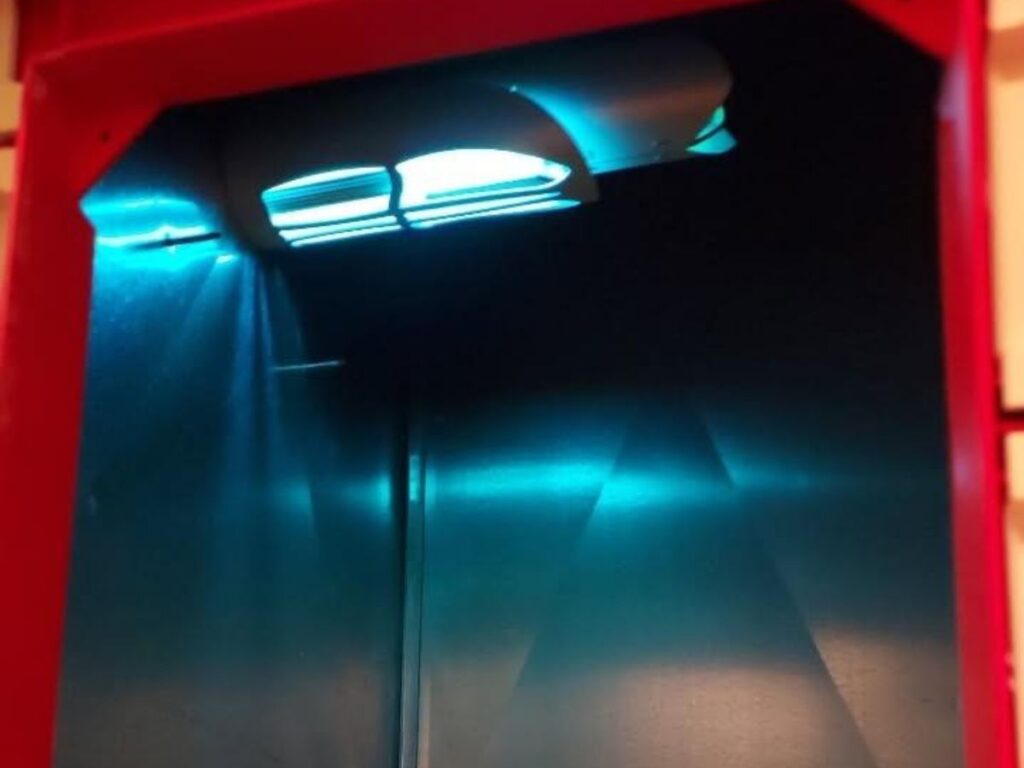
They also help control mold growth, which can trigger allergies and respiratory issues. When UV lights are installed directly above the coil in a home or in the cooling coil cabinet on larger air handlers, they will reduce and even eliminate the presence of microbial growth on the coils.

Additionally, UV lights can neutralize odors, making your space more pleasant. Often times when a UV light needs replacing, building occupants will notice odors that had vanished once the UV light was installed. The reemergence of these odors indicates it’s time to install a new UV bulb.
Installation Options for UV Lights

If you’re considering UV lights for your HVAC system, our 2nd-generation, family-owned and operated team with NADCA certification can help match the setup to your air duct cleaning needs. One popular choice is installing UV lights within your HVAC system. This option allows the lights to work continuously, treating air as it circulates through your home.

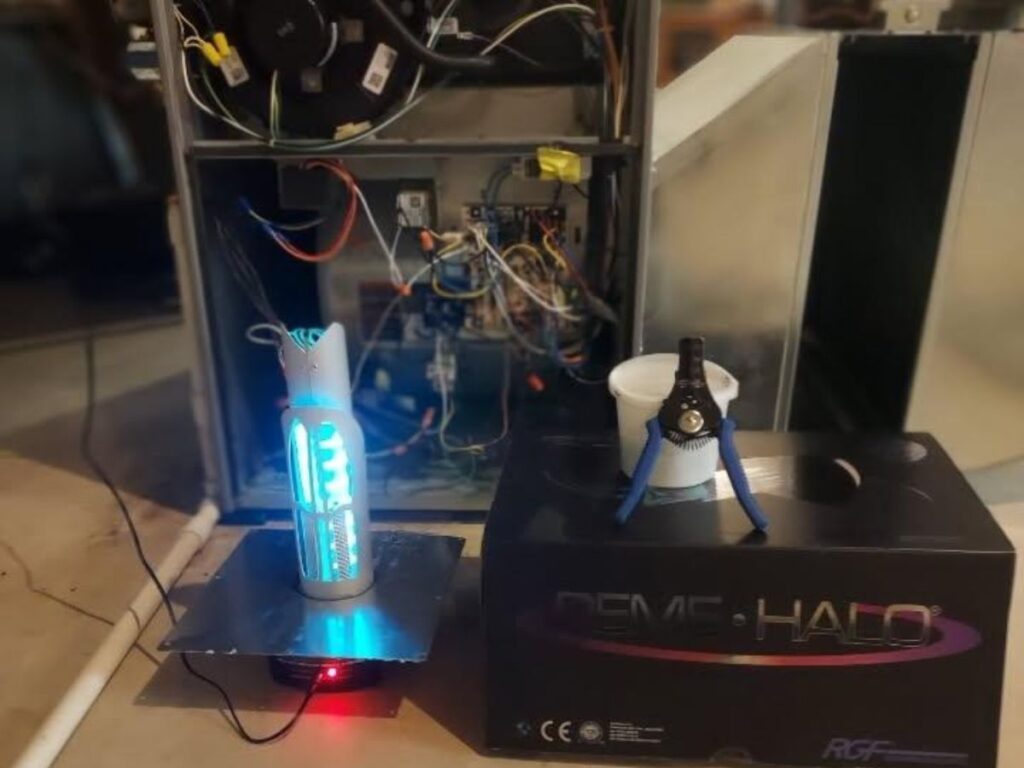
When installing a UV light in the HVAC system, there are two distinct types of UV lights. There are passive UV lights which treat the air as it passes past the UV bulb and then there are active UV lights which create radicalized hydrogen peroxide molecules which travel through the ducts and into occupied spaces.

Passive UV lights are highly effective at purifying the air stream and also treating the coil in the HVAC unit.

Active UV lights such as the Reme-Halo https://rgf.com/products/food/reme-halo-whole-home-in-duct-air-purifier/ are our preferred option because of the ability to not only purify the air as it passes the UV light, but also because it spreads low levels of hydrogen peroxide molecules throughout the duct system and into the living space where they attack viruses, bacteria, odors, and mold spores. This active approach leads to a far greater impact on the overall indoor health of the building.

If a home or building uses boiler heat and lacks central air conditioning, a standalone UV light is the perfect option. These portable options give you the flexibility to target areas with higher contamination risks. Additionally, some homeowners choose to integrate UV lights with air purifiers for a comprehensive approach.

Whichever method you choose, ensure the installation complies with safety standards and is performed by a qualified professional to maximize effectiveness and minimize risks.

Considerations for Use

After selecting the right installation option for your UV lights, it’s important to consider how to use them effectively. First, decide if your goal is to maintain a clean cooling coil or if you are looking for a total home solution. Once you decide on which approach best meets your needs, research available options and find the best unit for your budget.

A couple things to remember regardless of which approach you take, all units will require annual or bi-annual maintenance. Regularly check the bulbs for functionality and contact your service provider when the bulb no longer works. Most UV lights will last between 1 to 2 years before needing replacement. Lastly, educate everyone in your space about safety precautions, since direct exposure to UV light can be harmful to your vision, they should never be removed while power is connected.

Conclusion

Incorporating UV lights into your indoor environment can drastically improve air quality and overall comfort. By effectively neutralizing harmful microorganisms, these lights help create a healthier living space, reducing the risk of illness and respiratory issues. Whether you’re considering installation in your HVAC system or exploring standalone options, the benefits are clear. Embracing UV light technology is a proactive step toward ensuring you and your loved ones breathe cleaner, safer air every day.

Frequently Asked Questions

How Often Should UV Lights Be Replaced for Optimal Performance?

You should replace UV lights every 12 to 24 months for optimal performance. Regular checks can help you maintain their effectiveness, ensuring your system operates efficiently. Don’t wait until they fail; stay proactive to enhance indoor air quality.

Can UV Lights Eliminate Odors in Indoor Spaces?

Yes, UV lights can help eliminate odors in indoor spaces. They work by breaking down odor-causing bacteria and volatile organic compounds, improving overall air quality. Just ensure you maintain them regularly for best results.

Are UV Lights Safe for Pets and Children?

Generally, if properly installed and used, they’re safe. Just ensure direct exposure is minimized, and follow manufacturer guidelines for peace of mind.

Do UV Lights Require Special Maintenance or Cleaning?

Yes, UV lights do require some maintenance. You’ll need to inspect the bulbs regularly to ensure they are working properly.

Can UV Lights Be Used in All HVAC Systems?

Yes, UV lights can generally be used in most HVAC systems. Depending on the configuration and size of your HVAC unit, special installation may be required or a commercial UV light system might be needed.
How Often Should You Clean Your Dryer Vent?

Duct Crew, AmeriClean Inc. d.b.a. Duct Crew, recommends keeping your dryer vent clean to help maintain a safe, efficient household. Experts recommend cleaning your dryer vent at least once a year. However, this frequency can vary based on usage, household size, and specific conditions, such as the presence of pets or frequent laundry loads.

Neglecting your dryer vent can create fire hazards and leave your air feeling less fresh. With regular dryer vent cleaning, you can enhance the performance of your appliance, save on energy costs, and create a healthier home.

Why Regular Dryer Vent Cleaning Is Essential

Fire Prevention: A Matter of Safety

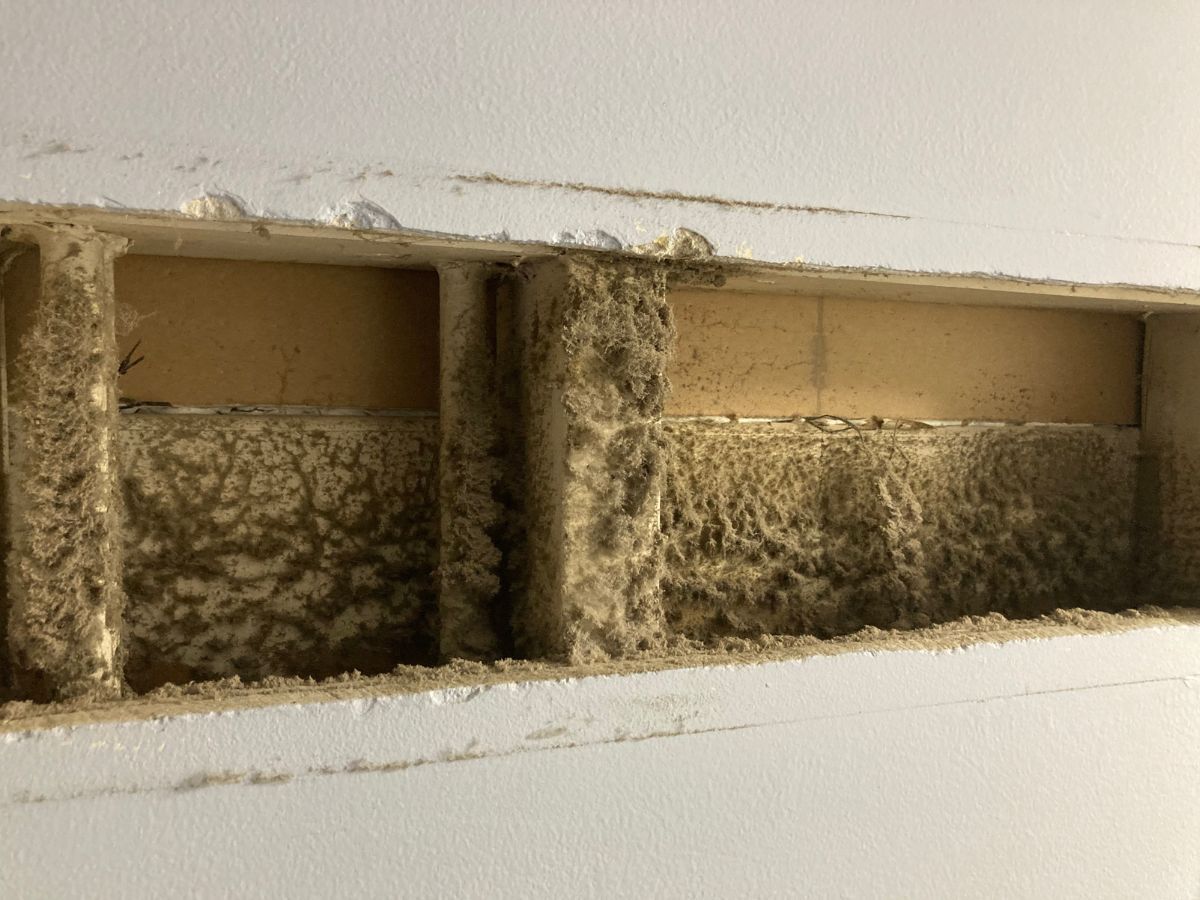
Lint is highly flammable, and when it accumulates in the vent, it creates a severe fire risk. According to the U.S. Fire Administration, approximately 2,900 dryer fires occur annually, many of which are caused by lint buildup. Cleaning your dryer vent minimizes this risk and ensures safe operation.

Boost Dryer Efficiency

When a dryer vent is clogged, the appliance has to work harder to push out moist air, leading to longer drying times. This inefficiency not only increases your energy bills but also wears out the dryer’s components faster. Regular maintenance helps extend the lifespan of your dryer and ensures optimal performance.

Healthier Indoor Air Quality

Blocked dryer vents can lead to moisture buildup, which encourages mold and mildew growth. Additionally, lint and dust recirculating in the air can exacerbate allergies or respiratory issues. By scheduling routine dryer vent cleaning, you ensure a cleaner, healthier living space.

Did You Know?
According to Duct Crew, a clogged dryer vent can also make carpet cleaning efforts less effective. Excess lint and dust from an unclean dryer vent often settle into carpets and upholstery, leading to more frequent cleaning needs.

How to Recognize a Clogged Dryer Vent

It’s essential to identify the signs of a clogged dryer vent early to avoid potential hazards. Here are common indicators that your vent needs cleaning:

  1. Extended Drying Times: Clothes that take longer to dry than usual signal restricted airflow.
  2. Burning Smell: A musty or burning odor during a cycle is a clear warning sign.
  3. Hot Dryer Exterior: If the dryer feels unusually hot to the touch, lint buildup may be the culprit.
  4. Increased Lint Around the Dryer: Excess lint near the dryer or on clothes indicates a blocked vent.
  5. Moisture in the Laundry Area: A clogged vent can cause excess moisture to accumulate, resulting in condensation.

Comprehensive Guide to Dryer Vent Cleaning

Regular cleaning matters, but what’s the best way to clean your dryer vent? Follow these steps:

  1. Unplug the Dryer: For safety, always disconnect the power source before beginning.
  2. Locate the Vent Hose: Typically found at the back of the dryer, detach the vent hose carefully.
  3. Clear the Hose: Use a vacuum or a vent-cleaning brush to remove lint and debris.
  4. Check the External Vent: Inspect the vent cover outside your home, ensuring it’s free of obstructions like leaves or animal nests.
  5. Reassemble and Test: Once clean, reattach the hose, plug in the dryer, and run a short test cycle to ensure everything works efficiently.

For more thorough cleaning, consider professional services from Duct Crew, which uses specialized tools to remove lint from hard-to-reach areas.

How Usage Patterns Affect Dryer Vent Cleaning Frequency

The frequency with which you should clean your dryer vent largely depends on how often you use your dryer and the specific conditions in your household. Every household is unique, and factors like the size of the household, the type of laundry being done, and the presence of pets can significantly influence how quickly lint builds up in your dryer vent.

Single Users or Couples

For individuals or couples who do fewer laundry loads, an annual dryer vent cleaning is often sufficient, since the limited use of the dryer results in slower lint buildup, reducing the need for frequent maintenance. However, if you live in a smaller space where the dryer vent is shorter, lint may accumulate faster, requiring semi-annual inspections.

Families with Children

Larger households with children often have more frequent laundry needs, from daily school uniforms to sports gear and bedding. This increased usage leads to faster lint accumulation in dryer vents. For such households, cleaning every 6-9 months is recommended to maintain dryer efficiency and prevent potential hazards.

Homes with Pets

Pet hair is a significant contributor to lint buildup. When you dry pet bedding, blankets, or clothing covered in fur, the hair can clog your dryer vent quickly. Even if you’re a single user or a couple, having pets may necessitate cleaning your dryer vent every 6 months. Regular maintenance is especially important if your pets shed heavily or if their items are washed and dried frequently.

Seasonal or Heavy-Duty Users

If you rely heavily on your dryer during certain times of the year, such as during winter or after large gatherings, you may notice lint accumulating faster. Similarly, households using heavy-duty dryers for items like large comforters, rugs, or towels might require quarterly cleaning to ensure optimal airflow.

Commercial or Multi-Family Properties

For businesses like laundromats, rental properties, or multi-family homes where dryers are in constant use, cleaning should be performed monthly or bi-monthly. High usage rates make these environments more prone to lint buildup, increasing fire risks and energy costs if left unchecked.

Why Frequency Matters

Failing to clean your dryer vent according to your usage patterns can lead to:

  • Fire Hazards: Lint buildup is flammable and can ignite when exposed to heat.
  • Reduced Dryer Efficiency: Clogged vents force your dryer to work harder, consuming more energy.
  • Higher Utility Bills: Longer drying times translate to increased electricity or gas usage.
  • Appliance Wear and Tear: Strain on the dryer’s motor and components shortens its lifespan.

When in doubt, consult professionals at Duct Crew, who can assess your household’s specific needs and recommend an ideal cleaning schedule. Their expertise ensures your dryer vent remains clear and safe, no matter your usage patterns.

Benefits of Professional Dryer Vent Cleaning

Although DIY cleaning can be effective for minor maintenance, hiring professionals offers distinct advantages:

  • Specialized Equipment: Professionals like Duct Crew use tools designed to thoroughly clean vents, including flexible rods and high-powered vacuums.
  • Thorough Inspection: They identify potential issues like damaged hoses or poorly connected vents, which might go unnoticed in a DIY job.
  • Time Efficiency: Professional cleaning saves you time and ensures the job is done right the first time.
  • Peace of Mind: With experts handling the cleaning, you can rest assured that your home is safe from fire hazards and excess energy costs.

Maintaining Dryer Vent Efficiency Between Cleanings

To minimize lint buildup and keep your dryer running efficiently between professional cleanings from Duct Crew, follow these tips:

  • Clean the Lint Trap After Every Load: Regularly removing lint from the trap reduces buildup in the vent.
  • Avoid Overloading the Dryer: Overloading can strain the machine and contribute to faster lint accumulation.
  • Use the Correct Drying Settings: Follow the manufacturer’s recommendations for heat and cycle length.
  • Inspect the Exterior Vent Monthly: Ensure the vent cover isn’t obstructed by debris, snow, or ice.

Linking Dryer Vent Cleaning and Carpet Care

Clogged dryer vents contribute to dust and lint circulation, which often settles into carpets. By keeping your dryer vents clean, you indirectly improve the effectiveness of your carpet cleaning efforts. If you’ve recently had professional carpet cleaning done, ensure your dryer vents are also clean to maintain a dust-free environment.

Final Thoughts

Dryer vent cleaning is an often-overlooked task that has significant safety, efficiency, and health implications. Whether you need routine cleaning or suspect your vent is clogged, taking action promptly can save you from costly repairs, energy waste, and fire hazards.

For comprehensive and professional dryer vent cleaning services, trust Duct Crew to keep your home safe. With their expertise, you’ll enjoy peace of mind and a healthier living environment.

Schedule your dryer vent cleaning with Duct Crew today and experience the benefits of a safer home!

FAQs

How much does professional dryer vent cleaning cost?

Professional dryer vent cleaning costs vary based on location and vent length. Typically, prices range from $100 to $300, depending on the complexity of the job.

What tools are needed for DIY dryer vent cleaning?

For DIY cleaning, you’ll need a vacuum cleaner, a vent cleaning brush, and a screwdriver to detach the vent hose. However, for a deep clean, professional-grade equipment and services from Duct Crew are recommended.

Can dryer vent cleaning improve energy efficiency?

Yes, a clean dryer vent improves airflow, reducing drying time and energy consumption, which lowers your utility bills. Contact us to learn more.

3 Ways to Know Its Time to Clean Your Air Ducts

You might not realize it, but your air ducts play a key role in your home’s air quality. Your air ducts are the lungs of your home, and keeping your air ducts healthy is just as important as protecting your own lungs.

When air ducts are left uncleaned for an extended period of time, your furnace will begin to recirculate the dust, allergens, and other contaminants throughout your home. When dirty air is pushed into your home, your chance of respiratory issues increases. If you or your family experience more allergy symptoms or respiratory issues, it’s worth considering a thorough inspection. Understanding these signs can help you maintain a healthier environment, but there’s more to uncover about when and why duct cleaning is essential for your home.

Visible Dust and Debris

Although you might not notice it at first, visible dust and debris can accumulate in your air ducts over time, affecting your home’s air quality. When you look at your vents, do you see a layer of dust or dirt? If so, it’s a clear sign that your air ducts need attention.

This buildup can reduce airflow efficiency and make your HVAC system work harder, leading to higher energy bills. Regular cleaning keeps your air ducts free of contaminants, ensuring that the air circulating in your home is fresh and clean. To maintain a healthy environment, check your ducts periodically and consider scheduling a professional cleaning if you spot significant debris.

Unpleasant Odors

Unpleasant odors can be a strong indicator that your air ducts need cleaning. If you notice a musty, stale, or burnt smell coming from your vents, it’s time to take action. These odors often result from dust, mold, or even pests trapped inside your ductwork. You might also detect strange scents when your heating or cooling systems kick on, which suggests accumulated debris is being circulated throughout your home.

Ignoring these smells can lead to a less comfortable living environment and potential health risks. So, if you find yourself wrinkling your nose at the air quality in your home, don’t hesitate to schedule a professional cleaning. Fresh, clean air is just a call away.

Increased Allergies or Illnesses

If you find yourself sneezing more often or experiencing unexplained respiratory issues, your indoor air quality could be to blame. Dust, mold, and other allergens can accumulate in your ductwork, circulating through your home and aggravating allergies. You might notice increased symptoms such as coughing, wheezing, or sinus congestion.

These irritants can also trigger asthma attacks or other illnesses, particularly for sensitive individuals. If your allergies seem worse when you’re indoors, it’s a strong sign that your air ducts need attention. Don’t ignore these warning signs; addressing the problem now can lead to a healthier, more comfortable living environment for you and your family.

Frequently Asked Questions

Q: How Often Should I Clean My Air Ducts?

According to the National Air Duct Cleaners Association (NADCA), you should clean your air ducts every three to five years, but it depends on factors like pets, allergies, or recent renovations. Keeping an eye on dust and airflow helps you decide when it’s time.

Q: Can Dirty Ducts Affect My Energy Bills?

Yes, dirty ducts can definitely affect your energy bills. When dust and debris accumulate, your HVAC system works harder to maintain temperature, leading to increased energy consumption and higher costs. Regular cleaning can help save you money.

Q: What Cleaning Methods Are Most Effective for Air Ducts?

For effective air duct cleaning, consider methods that use powerful negative air duct collectors and mechanical agitation to remove debris from within the air ducts. If a portable negative air machine is used, it must be HEPA-rated. Ideally, you will look for an air duct cleaning company that uses gas-powered negative air machines.

Q: Do I Need to Hire a Professional for Duct Cleaning?

You don’t always need to hire a professional for duct cleaning, but if you notice significant dust buildup or allergens, it’s wise to consult an expert. When you are looking to clean your complete air duct system, we strongly recommend hiring an air duct cleaning company that is NADCA certified. They will have the training, tools, equipment, and experience needed to complete the project.

Q: How Can I Prevent My Air Ducts from Getting Dirty?

To prevent your air ducts from getting dirty, regularly change your HVAC filters, keep your home clean, minimize pet hair, and ensure proper ventilation. Also, schedule routine inspections to catch any potential issues early.

Conclusion

In summary, keeping an eye out for visible dust and debris, unpleasant odors, and increased allergies can help you determine when it’s time to clean your air ducts. By addressing these signs promptly, you’ll improve your indoor air quality and create a healthier living environment for you and your family. Don’t wait until the problem worsens—schedule a professional duct cleaning today to ensure your home stays fresh and safe.

Why Air Duct Cleaning is a Must for Homes with Newborns or Elderly Residents

Keeping the air in your home clean matters, especially when newborns or elderly family members live there. Their immune systems are more vulnerable, making them more susceptible to allergens, pollutants, and bacteria that can accumulate in dirty air ducts. Ensuring proper air duct cleaning can significantly enhance indoor air quality, creating a healthier and safer living environment for these sensitive family members.

The Importance of Clean Air for Vulnerable Groups

Why Air Duct Cleaning Matters

Dirty air ducts can harbor a variety of harmful contaminants, including:

  • Dust mites
  • Pet dander
  • Mold spores
  • Pollen
  • Bacteria and viruses
  • Debris from insects or rodents

These particles accumulate over time, becoming airborne as the HVAC system circulates air. For newborns and elderly residents, exposure to these pollutants can cause or exacerbate:

  1. Respiratory issues such as asthma, bronchitis, or chronic obstructive pulmonary disease (COPD).
  2. Allergic reactions, including sneezing, coughing, or itchy eyes.
  3. Weakened immune responses, particularly in the elderly or newborns with underdeveloped or compromised immune systems.

According to the Environmental Protection Agency (EPA), maintaining good indoor air quality can reduce these risks and enhance overall well-being. Regular air duct cleaning from companies like Duct Crew helps eliminate these contaminants, making your home safer for those most affected by poor air quality.

How Dirty Air Ducts Affect Your HVAC System

In addition to health risks, dirty air ducts can overwork your HVAC system. As debris builds up, the system must work harder to circulate air, leading to higher energy costs and wear and tear on your equipment. This inefficiency can cause uneven heating or cooling, further impacting the comfort and safety of your home.

Signs Your Air Ducts Need Cleaning

It’s not always easy to determine when air ducts require cleaning, but there are clear signs to watch for:

  • Visible Dust and Dirt: Excess dust on surfaces or around vents is a sign that your ducts may be spreading debris.
  • Persistent Odors: Musty or stale smells often indicate mold or mildew growth inside ducts.
  • Increased Allergy Symptoms: If family members experience more frequent allergies or respiratory issues, your ducts may be the culprit.
  • Unexplained Energy Bill Spikes: A sudden rise in energy costs can indicate that clogged ducts are making your HVAC system work harder.

If you notice these issues, contact Duct Crew, a trusted service provider specializing in professional air duct cleaning.

Benefits of Air Duct Cleaning for Newborns and Elderly Residents

According to Duct Crew, clean air ducts offer numerous advantages, particularly for families with vulnerable members. These include:

1. Improved Air Quality

Clean air ducts reduce airborne allergens, creating a healthier breathing environment. This improvement is especially crucial for newborns, whose respiratory systems are still developing, and elderly individuals, who may have preexisting conditions such as asthma or COPD.

2. Enhanced HVAC Efficiency

Clogged air ducts make your HVAC system work harder to maintain the desired temperature. Cleaning your ducts not only improves airflow but also reduces energy consumption, leading to lower utility bills.

3. Reduced Allergies and Irritants

Airborne allergens like pollen, dust, and pet dander can trigger asthma attacks or allergic reactions. Regular duct cleaning helps minimize these triggers, ensuring the comfort and safety of all family members.

4. Mold and Bacteria Prevention

Moisture in air ducts can lead to mold growth, which releases spores that pose serious health risks. Routine cleaning eliminates this hazard, protecting your home and your family’s health.

How Air Duct Cleaning Supports Carpet Cleaning

While many homeowners focus on maintaining clean carpets, dirty air ducts can quickly undo this effort. Dust and debris from unclean ducts often settle on carpets, requiring frequent vacuuming and deep cleaning. Clean air ducts, on the other hand:

  • Prevent the spread of dust and allergens onto freshly cleaned carpets.
  • Extend the lifespan of carpets by reducing airborne pollutants that degrade fibers.
  • Enhance the overall cleanliness of your home by complementing routine carpet care.

This synergy between air duct cleaning from Duct Crew and carpet maintenance creates a healthier living space for everyone.

Steps to Take for Effective Air Duct Cleaning

A successful air duct cleaning process follows several steps to remove buildup and leave the system cleaner:

1. Inspect Your Ducts

Before scheduling a cleaning, inspect your ducts for visible dust, dirt, or signs of mold. A professional service like Duct Crew can also conduct an inspection using specialized equipment to detect hidden contaminants.

2. Hire a Professional Service

While DIY solutions may seem tempting, professional cleaning ensures a comprehensive approach. Professionals use high-powered vacuums, brushes, and disinfectants to remove even the most stubborn buildup.

3. Change Air Filters Regularly

To maintain clean ducts, replace HVAC air filters every 2-3 months or more frequently if you have pets, live in a high-pollen area, or have family members with allergies.

4. Schedule Regular Cleanings

For homes with newborns or elderly residents, consider scheduling air duct cleaning every 3 years or more often if necessary. Frequent cleanings ensure consistently high air quality.

5. Use HEPA Filters

High-efficiency particulate Air (HEPA) filters can trap smaller particles, further improving air quality in your home.

Addressing Common Misconceptions About Air Duct Cleaning

There are several myths surrounding air duct cleaning. We at Duct Crew are here to address some of the most common ones:

1. “Air duct cleaning is unnecessary.”

Even in spotless homes, air ducts accumulate dust, pollen, and other contaminants that compromise air quality. Professional cleaning removes these hidden threats.

2. “It damages HVAC systems.”

Professional cleaners use non-invasive tools and techniques designed to protect your HVAC system while thoroughly cleaning the ducts.

3. “It’s too expensive.”

While there is a cost, the benefits far outweigh it, especially when it comes to safeguarding the health of newborns and elderly residents.

Final Thoughts

Air duct cleaning is an essential step in maintaining a safe, healthy, and comfortable home, especially for families with newborns or elderly members. By eliminating harmful allergens, improving HVAC efficiency, and enhancing overall indoor air quality, you can create a space where everyone breathes more easily. 

Take the first step toward better air quality by scheduling a professional air duct cleaning with Duct Crew today.

FAQs

 How often should I clean my air ducts?

According to Duct Crew, it’s recommended to clean air ducts every 3-5 years. Homes with newborns, elderly residents, or pets may require more frequent cleaning.

Can air duct cleaning prevent mold growth?

Yes, professional air duct cleaning removes moisture and debris, reducing the risk of mold growth.

What are the health risks of neglecting air duct cleaning?

Dirty air ducts can cause respiratory issues, allergies, and infections due to the spread of contaminants like mold spores and bacteria. Contact us to learn more.

What Is the Life Expectancy of Your Home’s Duct Work?

Ductwork helps maintain your home’s air quality and temperature, and Duct Crew is NADCA certified for air duct cleaning and a professional process. It delivers cooled or heated air from your HVAC system to every room, keeping your indoor environment comfortable. But like any other component of your home, ductwork has a limited lifespan. Knowing how long it will last and when to replace or maintain it is critical for keeping your HVAC system efficient and your home healthy.

Typical Lifespan of Ductwork

On average, most duct cleaning lasts between 20 to 25 years. However, its performance often begins to decline after about 15 years. Over time, materials naturally deteriorate due to constant temperature changes, airflow, and exposure to dust and moisture. Even if the ducts remain intact, they may develop leaks or insulation issues that reduce efficiency.

The exact lifespan of your ductwork depends on several factors, including the type of material used, the quality of installation, and how well it has been maintained. Flexible ducts, for instance, tend to have a shorter lifespan compared to rigid metal ducts, which are more durable and resistant to wear and tear.

What Affects the Lifespan of Ductwork?

Several key factors determine how long your ductwork will last and how well it performs over the years:

1. Material Quality

The type of material used in your ductwork is one of the biggest factors affecting its durability. High-quality, rigid metal ducts are built to last longer than flexible or fiberglass-lined options.


  • Durability of Rigid Metal: Metal ducts resist dents, corrosion, and general wear better than other materials, giving them a lifespan of 20+ years.
  • Issues with Flexible Ducts: While flexible ducts are easier to install, they are more prone to tears, kinks, and insulation deterioration, which can shorten their lifespan.
  • Insulated vs. Non-Insulated: Properly insulated ducts are less likely to experience temperature fluctuations that lead to condensation, rust, or mold growth.

If your current ductwork is aging and made from lower-quality materials, you may start noticing poor airflow, higher energy bills, or even visible damage.

2. Maintenance Routine

A lack of maintenance is a major reason ductwork fails before its time. Regular upkeep keeps your air ducts clean, efficient, and structurally sound, and lets Duct Crew stay focused on air duct cleaning, with dryer vent cleaning and commercial HVAC cleaning as secondary services.

  • Routine Cleaning: Dust, debris, and allergens can clog your ducts, forcing your HVAC system to work harder and reducing airflow. Regular cleaning keeps them clear.
  • Inspections: Professionals can identify leaks, loose connections, or insulation issues during inspections. Addressing these early prevents further damage.
  • Skipping Maintenance: If ducts are left unchecked for years, they may develop mold, rust, or blockages, leading to faster wear and even health issues for your family.


Think of maintenance as an investment. Without it, minor issues in your ducts can escalate, impacting both their lifespan and your home’s air quality.

3. Environmental Factors

If you live in La Porte, your ductwork faces unique challenges due to the region’s climate.

  • Humidity: High humidity levels can cause condensation inside ducts, creating the perfect conditions for mold and rust. Proper insulation helps combat this issue.
  • Dusty and Windy Conditions: Homes in areas with frequent dust or windy weather often experience faster debris buildup in ducts, reducing airflow and requiring more frequent cleanings.
  • Temperature Swings: Extreme temperature changes cause ducts to expand and contract, weakening connections and creating air leaks over time.

Recognizing how your environment affects your ductwork helps you stay proactive in addressing issues before they shorten its lifespan.

4. Installation Quality

The quality of installation is often overlooked but plays a critical role in how long your ductwork lasts.


  • Poor Installation: Ducts that are improperly connected, poorly sealed, or insufficiently supported are more likely to develop gaps, sagging, or insulation damage.
  • Energy Loss: Even minor installation errors can lead to air leaks, forcing your HVAC system to work harder and increasing wear on the ducts.
  • Why Professional Installation Matters: Hiring a professional ensures your ductwork is securely installed, properly insulated, and designed to optimize airflow.

If your ducts were installed poorly or have frequent issues, it may be time to consult a professional for repairs or reinstallation.

Signs Your Ductwork May Need Replacement

Even if your ductwork has yet to reach its expected lifespan, there are clear signs that it may be time for a replacement.

If you notice uneven temperatures in different rooms, it could be due to leaks or poor airflow in aging ducts. A sudden increase in energy bills might also point to inefficiency caused by worn-out ductwork. Dust and debris accumulating faster than usual or unusual odors coming from vents could indicate internal issues, such as mold or damage.

Persistent HVAC issues, such as reduced airflow or noisy operation, are often linked to failing ducts. While repairs might resolve minor problems, older systems usually benefit more from a full replacement to restore proper function.

Maximizing the Life of Your Ductwork

While ductwork has a limited lifespan, proper care can help you extend its usefulness and efficiency.

Schedule regular inspections with a professional to identify and address small issues before they become significant problems. Regular duct cleaning prevents dust and allergens from accumulating, improving airflow and air quality. If leaks or gaps are discovered, sealing them promptly will prevent energy loss and additional strain on your HVAC system.

Ensuring your ductwork is properly insulated is especially important in areas with high humidity or extreme weather conditions. Insulation protects against condensation and temperature fluctuations, reducing the risk of rust or mold development.

When Is It Time to Replace Your Ductwork?

Ductwork over 20 years old often struggles to keep up with modern HVAC systems and energy efficiency standards. If your system shows signs of wear, such as consistent temperature imbalances, rising utility bills, or recurring repairs, it might be time to consider a replacement.

Upgrading your ductwork offers multiple benefits, including better airflow, lower energy consumption, and improved indoor air quality. A professional can assess your current system and recommend whether a replacement is the most effective solution for your home.


If you’re unsure about the condition of your ductwork or suspect it’s time for a replacement, consulting an HVAC professional is the best way to ensure your home remains comfortable and energy-efficient. Take proactive steps today to protect your ductwork and enjoy cleaner air and lower energy bills for years to come.


FAQ

What is the average lifespan of ductwork?

The average lifespan of ductwork is 20-25 years. However, proper maintenance and regular inspections can help extend its usability.

What factors affect the lifespan of ductwork?

Factors include the quality of installation, the material used, climate conditions, frequency of maintenance, and the presence of pests or mold.

How can I tell if my ductwork needs to be replaced?

Signs include uneven heating or cooling, increased energy bills, visible damage, poor air quality, and unusual noises from the ducts.

How Often Should You Schedule an Air Duct Cleaning in La Porte?

It often starts with a bit of sneezing or coughing that gets written off as allergies. But then, you notice your energy bills creeping up, your vents looking dusty, and a musty smell lingering in the air. If you live in La Porte, where the humid climate often accelerates dust and mold buildup, these are signs that your air ducts might be crying out for attention.


Air ducts are the lungs of your home. They circulate the air you breathe, keeping your home comfortable year-round. But over time, these ducts can accumulate dust, dirt, allergens, and even mold—especially in a place like La Porte, where moisture is common. This article dives into how often you should schedule air duct cleaning, why it matters, and how to recognize when it’s time to act.

How Often Should You Clean Your Air Ducts?

The general recommendation is to clean your air ducts every 3 to 5 years, but in La Porte, specific factors might shorten this timeline. Humidity, frequent storms, and even pollen during spring can contribute to faster accumulation of debris. Some households might need cleaning as often as every 2 years.


This schedule isn’t just about cleanliness—it’s about keeping your HVAC system running smoothly and protecting the air quality in your home. But how do you know if you need to clean your ducts more often? Let’s break it down.

Signs It’s Time for an Air Duct Cleaning

Knowing when to clean your air ducts is easier than you might think. Here are some clear signs:

  • Dust Everywhere: If you notice dust accumulating quickly on surfaces or around your vents, it’s a sign your ducts are full of debris.
  • Musty Odors: A damp or moldy smell in your home often points to moisture or mold in the ducts, a common issue in La Porte’s humid climate.
  • High Energy Bills: If your HVAC system is working harder than usual, dirty ducts could be blocking airflow and reducing efficiency.
  • Health Issues: Persistent allergies, coughing, or asthma flare-ups could be caused by allergens circulating through dirty ducts.
  • Visible Mold: Spotting mold in vents or inside the ducts requires immediate attention to protect your family’s health.

Factors That Affect Cleaning Frequency in La Porte

While every home is unique, some factors specific to La Porte can impact how often you need air duct cleaning:

Humidity

La Porte’s high humidity levels can lead to moisture accumulating inside air ducts. Moisture combined with dust creates the perfect environment for mold growth. If you notice musty smells or mold stains, cleaning your ducts should become a priority.

Allergies

Living in La Porte means dealing with seasonal allergens like pollen. These can settle in your air ducts and circulate through your home, exacerbating allergy symptoms. If anyone in your household has allergies or asthma, consider cleaning the ducts every 2 to 3 years.

Pets

Pet hair and dander can clog your ducts quickly, especially if you have multiple pets. Cleaning every 2 years can help reduce allergens and improve airflow.

Storms and Construction

La Porte’s occasional storms and home construction projects can introduce extra dust and debris into your HVAC system. Schedule a cleaning after major renovations or severe weather events.

Benefits of Regular Air Duct Cleaning

Regular air duct cleaning doesn’t just improve air quality—it enhances your entire home environment.


  • Better Air Quality: Dust, allergens, and mold are removed, leaving your home’s air cleaner and healthier.
  • Improved Efficiency: Clean ducts help your HVAC system run more efficiently, lowering your energy bills.
  • Longer System Lifespan: Removing debris reduces strain on your HVAC system, preventing costly breakdowns.
  • Odor Elimination: Musty smells from mold or debris are eliminated, leaving your home fresh.

What to Expect During a Professional Cleaning

Hiring a professional air duct cleaning service in La Porte ensures the job is done thoroughly and safely. Here’s what typically happens during a cleaning:


  • Inspection: The technician inspects your ducts to assess the level of buildup and identify any mold or blockages.
  • Cleaning Equipment Setup: High-powered vacuums and brushes are used to dislodge and remove dirt, dust, and debris from the ducts.
  • Sanitization: In cases of mold or bacteria, the ducts may be sanitized to ensure clean air circulation.
  • Final Check: The technician ensures your HVAC system is clean and functioning efficiently before leaving.


A professional cleaning takes about 2 to 4 hours, depending on the size of your home and the condition of your ducts.

Why Choose a Local Professional in La Porte?

La Porte’s humid climate and changing seasons can take a toll on your air ducts. Dust, allergens, and even mold build up faster here than in drier areas. If you’re noticing higher energy bills, musty odors, or worsening allergies, it’s time to call in an expert who understands the specific challenges of this region.


That’s where Duct Crew comes in. With decades of experience in La Porte, we know how to handle the unique issues your HVAC system faces. Our team doesn’t just clean ducts; we improve air quality and system efficiency, ensuring your home or business is healthier and more comfortable year-round.


Our services include:


  • Residential and Commercial Air Duct Cleaning
  • Dryer Vent Cleaning
  • Air Duct Sealing Services
  • Exhaust Cleaning
  • Air Purification Solutions

Don’t leave your indoor air quality to chance. With thousands of projects completed and a stellar 4.9-star rating, Duct Crew has built a reputation for delivering outstanding results. Contact us today at 219-348-8104 or use our online booking system to schedule your air duct cleaning. Experience cleaner air and a healthier home with La Porte’s trusted HVAC cleaning specialists. 

Clean Air, Healthy Home: Schedule Your Duct Cleaning Today

For La Porte homeowners, air duct cleaning isn’t just a task—it’s a way to maintain a healthier, more comfortable living space. While cleaning every 3 to 5 years works for most, the area’s humidity, pet dander, or seasonal allergens might mean you need more frequent cleanings. Keeping an eye on signs like unusual odors, visible dust near vents, or rising energy bills can help you decide when it’s time for professional care.


Clean air ducts mean better air quality, lower energy costs, and a healthier living environment. Don’t wait until your ducts are full of dust and debris—schedule a professional cleaning today and breathe easier in your La Porte home.


FAQ

What is air duct cleaning, and why is it important?

Air duct cleaning involves removing dust, debris, and contaminants from your home’s HVAC system. It improves indoor air quality, boosts energy efficiency, and helps maintain a healthy living environment.


How often should air ducts be cleaned in La Porte?

It’s recommended to schedule air duct cleaning every 3-5 years. However, factors like pets, allergies, or recent renovations may require more frequent cleanings.


What are signs that my air ducts need cleaning?

Look for visible dust or debris around vents, an increase in allergy symptoms, inconsistent airflow, or unusual odors coming from your HVAC system.

Why Are My Air Ducts So Dirty in Indiana?

If you live in La Porte or nearby communities in Indiana, you’re no stranger to the changing seasons, from the crisp autumn air to the snowy winters and the humid summers. These shifts not only affect our daily lives, but also impact the air quality inside our homes. Many Hoosiers might find themselves wondering why their air ducts seem to accumulate dirt and dust faster than they’d expect. Just like how the weather can bring leaves and pollen into our homes, various factors can lead to dirty air ducts, affecting the air we breathe every day. Understanding these causes can empower you to take action and ensure your indoor environment remains clean and healthy, particularly as the seasons change. Let’s explore why your air ducts might be so dirty and what you can do about it.

1. Seasonal Weather Changes

Indiana is known for its four distinct seasons, each bringing its own unique set of challenges for homeowners. These seasonal changes can significantly impact the cleanliness of your air ducts, leading to the accumulation of various debris and pollutants over time.


In winter, the state is often blanketed with snow and ice, which can bring a mix of dirt, salt, and chemicals used for de-icing roads. When homeowners and their families come indoors, they can inadvertently track this debris along with moisture from their shoes into the house. This creates a perfect environment for dirt to settle into carpets and rugs, but it doesn’t stop there. Once inside, these contaminants can get pulled into the HVAC system, moving through the supply and return ducts, registers, grilles, diffusers, heat exchangers, and cooling coils. The wet, muddy conditions can lead to a buildup of grime that can linger well into the spring.

As winter transitions into spring, another set of challenges emerges. The blooming flowers and budding trees bring forth pollen, which becomes airborne and easily finds its way inside homes. According to the Indiana State Climate Office, the peak pollen levels in Indiana typically occur from mid-April to late June, making it a prime time for allergens to infiltrate your living space. If windows or doors are left open to enjoy the fresh spring air, pollen can settle into your air ducts, where it can combine with the dust and dirt already present.

Summer brings its own issues, with higher temperatures often resulting in increased outdoor activity. Dust and dirt can become more prevalent, especially during dry spells or after storms. Homeowners often open windows to let in fresh air, but this can also allow dust and other particulates to enter your home. With frequent use of air conditioning systems during these hot months, any dust or debris that has made its way into your ducts will get circulated throughout the house.


Finally, as the leaves begin to fall in autumn, they can also contribute to the mess. Leaves, along with dirt and debris, can easily be tracked indoors. This is particularly true if you have children who love to play outside, bringing in not just leaves but also dirt and allergens. Additionally, the increased use of heating systems as temperatures drop can stir up settled debris, which is why duct cleaning with HEPA filtration matters.


The constant influx of outdoor debris throughout the changing seasons highlights the importance of regular air duct cleaning. By being proactive and having your ducts cleaned seasonally or bi-annually, you can minimize the buildup of dirt, pollen, and other allergens that come with Indiana’s diverse weather patterns. Keeping your air ducts clean not only improves air quality but also enhances the efficiency of your HVAC system, ensuring a healthier living environment for you and your family throughout the year.

2. High Humidity Levels

During the summer months, Indiana can experience high humidity levels, often ranging between 70% and 90%. This moisture in the air creates a perfect environment for mold growth, especially in less frequently used areas of your home, such as attics, basements, and crawl spaces. Mold thrives in damp conditions, and once it takes hold, it can release spores into the air, which can easily circulate through your air ducts. These mold spores can lead to a variety of health issues, particularly for individuals with allergies, asthma, or compromised immune systems.


In addition to mold, high humidity levels can also create a breeding ground for dust mites and other allergens. When humidity levels exceed 50%, dust mites can flourish, and they thrive in the warm, damp conditions that often accompany humid Indiana summers. The presence of these allergens in your air ducts can exacerbate respiratory problems and contribute to a stuffy or uncomfortable living environment.

3. Home Renovations and Repairs

Home renovations and repairs are exciting projects that can breathe new life into your living space. However, they can also create a considerable amount of dust and debris, which can pose a hidden threat to your indoor air quality. If you’ve recently remodeled your kitchen, finished your basement, or tackled any other home improvement tasks, you might want to consider the impact on your air ducts.


During construction activities, whether big or small, dust and particulates are inevitably released into the air. When you hammer, saw, or sand down surfaces, tiny particles can become airborne and circulate throughout your home. According to the EPA, common construction materials such as drywall, wood, and insulation can generate significant dust that, if left unchecked, can settle in your air ducts. Even simple tasks like painting or installing new fixtures can create airborne debris, contributing to the contamination of your HVAC system.

The problem doesn’t stop with just visible dust. Renovations can also disturb existing dust that has settled in your home over time. For example, if you’re tearing down old walls or replacing flooring, you might unknowingly stir up dust from years past. This can be especially concerning in older homes, where lead or asbestos may be present in construction materials, posing serious health risks.

Even minor renovations, like changing out light fixtures or adding new shelves, can contribute to dust accumulation in your ventilation system. During these seemingly small tasks, tools can inadvertently create dust that gets sucked into the air ducts, where it can mix with existing debris. This means that, after a renovation, your air ducts can become a reservoir for dust, allergens, and even harmful particles.

The implications of having dirty air ducts following renovations can be significant. Not only can the quality of your indoor air suffer, but it can also lead to more frequent cleaning requirements and reduced efficiency of your HVAC system. A clogged duct system can force your heating and cooling systems to work harder, resulting in increased energy costs and potential wear and tear on your equipment.

4. Pet Ownership

Pets are a beloved part of many households in Indiana, bringing joy and companionship to their owners. However, as adorable as they are, pets can significantly contribute to dirty air ducts. This is especially true in homes with multiple furry friends.


When pets roam around the house, they naturally shed hair and dander, which can quickly accumulate in your living space and become airborne. According to studies, a single dog can shed approximately 50 to 100 grams of hair per month, while cats can shed around 25 to 50 grams. This hair doesn’t just settle on your furniture; it can get sucked into your HVAC system and settle within the air ducts, leading to a buildup of debris. This can affect the efficiency of your heating and cooling systems and lead to poor air quality.

Additionally, pets can track dirt, pollen, and other allergens from outside into your home, which can also accumulate in your air ducts. This is particularly noticeable during the spring and fall months when outdoor allergens are at their peak. Each time your HVAC system kicks on, it can blow these allergens and particles back into the air you breathe, which can be especially problematic for family members with allergies or respiratory issues.

For households with multiple pets, the impact can be even more pronounced. More pets mean more shedding and more dirt, leading to a quicker accumulation of pet-related debris in the air ducts. Consequently, pet owners may find themselves needing to schedule air duct cleaning more frequently—perhaps every year or even more often depending on the number of pets and their activity levels.

Clean Your Air Ducts Today

Understanding why your air ducts may be particularly dirty in Indiana is the first step toward maintaining better air quality in your home. Seasonal weather changes, high humidity, home renovations, and pet ownership are just a few factors that contribute to dirty ducts. Regular maintenance, good air filtration, and proper HVAC system design can help mitigate these issues.

If you notice increased dust, allergens, or odors in your home, consider having your air ducts professionally cleaned. This proactive measure can significantly improve your indoor air quality and create a healthier living environment for you and your family.


FAQ

What causes air ducts to get dirty in Indiana homes?

Air ducts accumulate dust, pollen, pet dander, and other debris over time. Factors like seasonal weather changes, high humidity, and construction dust can contribute to the buildup.


How do Indiana’s weather conditions affect air duct cleanliness?

Indiana’s seasonal changes, such as high pollen levels in spring and summer humidity, can introduce more allergens and moisture into your HVAC system, encouraging dirt and mold buildup.


Can dirty air ducts affect my indoor air quality?

Yes, dirty air ducts can circulate allergens, dust, and even mold spores, which can impact the health of those with allergies or respiratory conditions.

Does Cleaning Air Ducts Really Make a Difference?

When talking about home maintenance, air duct cleaning is often one of the first services that comes up. “Do I really need to clean my air ducts in La Porte, IN?” is a question that you might ponder. Will it have an impact? The answer is definitely yes! Your house and health can benefit from routine air duct cleaning in La Porte and nearby Indiana counties in a number of ways. Let’s explore the importance of cleaning your air ducts and how it can significantly improve your living space.


Your home’s air ducts function like your lungs. They deliver air from your heating and cooling systems into every area of your home, much like your lungs carry oxygen throughout your body. Thus, clean air ducts are necessary to guarantee that the air you breathe is pure and healthy.

Consider how your lungs function: they contain cilia, which are microscopic hairs, and mucus, which is a sticky substance that catches dust and other particles and keeps them from getting into your bloodstream. This system aids in maintaining the health and functionality of your lungs. Similarly, dust, allergies, and pollutants are collected as air passes through air ducts. When these ducts are dirty, they can circulate all those harmful particles back into your home.

Keeping your air ducts clean is crucial because, if they’re filled with dirt and debris, they can lead to various health issues, including respiratory problems and allergies. Just as you would want to maintain healthy lungs, it’s essential to regularly clean your air ducts to promote healthier living.

Imagine if you had a filter in your house that gets filled with dust and dirt over time. That’s what happens to air ducts. They gather airborne particles such as dust mites, mold spores, pollen, and pet dander. That dust and debris can get blown back into offices, lobbies, and work areas while the system is running. Maintaining the cleanliness of these ducts is crucial because this can be especially troublesome for those with respiratory conditions or allergies.

Benefits of Cleaning Air Ducts

You’ll find that cleaning your air ducts has several benefits that increase comfort and health in your home. If you always ensure that the ducts that circulate the air are clean, you’ll enjoy higher air quality, improved energy efficiency, and fewer allergens and pollutants. With this in mind, let’s find out about the advantages of regular air duct cleaning and why it is important for keeping a healthy living environment.

Improved Air Quality

One primary reason to clean your air ducts is to improve the air quality in your home. Dirty ducts can harbor allergens and pollutants. Cleaning them removes these contaminants, allowing cleaner, fresher air to circulate. This can be especially beneficial for individuals with allergies, asthma, or other respiratory conditions.

Increased Energy Efficiency

Did you know that dirty air ducts can affect your home’s energy efficiency? When ducts are clogged with dust and debris, your heating and cooling systems have to work harder to circulate air. This increased workload can lead to higher energy bills. By cleaning your air ducts, you can improve the efficiency of your HVAC system, saving money on energy costs in the long run.

Extended Lifespan of HVAC Systems

Regular maintenance is just as important as anything else in your home so your HVAC system runs as it should. Dirty air ducts can make your heating and cooling systems work harder than they really need to, resulting in the wear and tear put on them over time. Clean ducts can also help you extend the life of your HVAC system and save you from expensive repairs or replacing your system altogether.

Elimination of Unpleasant Odors

Over time, dust, mold, and other contaminants can build up in your air ducts, leading to unpleasant odors circulating throughout your home. Cleaning the ducts can help eliminate these odors, leaving your home smelling fresh and clean. This is especially important if you have pets or if you smoke indoors.

Reduction of Allergens and Irritants

Cleaning your air ducts can be important if you or someone in your home has allergies; it can do a great job lowering allergens and irritants. Allergy symptoms can be affected by pollen, pet dander, mold, and any dust mites which accumulate in the ducts. You can further help to create a healthier home environment by cleaning the ducts.

When to Consider Air Duct Cleaning

Now that you understand the benefits of air duct cleaning, you might be wondering when to consider having it done. Recognizing the right signs can help you decide when it’s time for a thorough cleaning. Here are some indicators that may suggest it’s time to have your air ducts cleaned:

If you notice dust accumulating around your vents or on your furniture more quickly than usual, it could signal that your air ducts are clogged with dust and debris. This buildup not only impacts the cleanliness of your home but can also indicate that your HVAC system is struggling to push air through the ducts effectively.

Unexplained odors in your home can also be a telltale sign that air duct cleaning is necessary. These smells may stem from mold, mildew, or other contaminants trapped in the ductwork. When you turn on your heating or cooling system, these odors can circulate throughout your living space, making the air less pleasant to breathe.

Increased allergy symptoms or respiratory issues among your family members can be another crucial indicator. Suppose people in your home are sneezing, coughing, or experiencing other allergy-like symptoms more frequently. In that case, it may be due to the accumulation of allergens in your air ducts, which can aggravate existing conditions.


Finally, if your HVAC system is running inefficiently or if you have recently remodeled your home, it’s wise to consider cleaning your air ducts. Renovations can introduce a lot of dust and debris into the air, which can settle in your ducts. An inefficient HVAC system may also indicate that airflow is obstructed, making it harder for your system to operate properly. Cleaning your air ducts can improve efficiency and help extend the life of your HVAC system.

The Cleaning Process

Cleaning air ducts is typically done by duct cleaning specialists who use specialized equipment to ensure a thorough job. The process usually involves:

  • Inspecting the ductwork to assess the level of contamination.
  • Using high-powered vacuums to remove dust and debris from the ducts.
  • Cleaning the registers and grilles.
  • Sealing and securing any access points to prevent future contamination.
  • While it is possible to clean air ducts yourself, hiring professionals with the right equipment and experience to do the job effectively is often best.


Cleaning your air ducts can indeed make a significant difference in your home. From improving air quality to increasing energy efficiency and reducing allergens, the benefits are numerous. If you haven’t had your air ducts cleaned in a while, it may be worth considering.

Take the first step towards a healthier home today by scheduling a professional air duct cleaning service. Your lungs will thank you!


FAQ

What are air ducts, and why do they need cleaning?

Air ducts are the pathways in your home’s HVAC system that distribute heated or cooled air. Over time, they collect dust, allergens, and debris, which can affect air quality and system efficiency.

How often should air ducts be cleaned?

Air ducts should typically be cleaned every 3-5 years. However, homes with pets, smokers, or allergy sufferers may require more frequent cleaning.

What are the benefits of cleaning air ducts?

Cleaning air ducts can improve indoor air quality, reduce allergens, increase HVAC efficiency, and lower energy bills by ensuring your system runs smoothly.

How Often Should a Cooling Tower Be Cleaned in La Porte?

According to OSHA, cooling towers should be cleaned at least twice a year to ensure optimal performance, efficiency, and to prevent health risks associated with Legionella and other bacteria. However, more frequent cleanings may be necessary depending on the local climate, usage, and industry standards. 

Proper maintenance is crucial to keep your cooling tower running efficiently and to extend its lifespan. In this blog, we will dive into why regular cleaning is essential and what you can expect from a cooling tower cleaning service. We will also offer some practical tips to ensure your tower stays in top shape.

Why Is Regular Cooling Tower Cleaning Essential?

Cooling towers are crucial in regulating temperatures in industrial and commercial buildings. They work by removing heat from a building’s cooling system and dissipating it into the atmosphere. Over time, cooling towers accumulate dirt, scale, algae, and bacteria, which can cause several issues:

  • Reduced Efficiency: Dirty towers are less effective at transferring heat, which can increase energy costs.
  • Increased Risk of Legionella: Without proper cleaning, cooling towers can become breeding grounds for bacteria like Legionella, which causes Legionnaires’ disease.
  • Higher Maintenance Costs: Buildup of scale, rust, and biofilm can damage the tower’s components, leading to costly repairs or replacements.
  • Compliance: Health and safety regulations may mandate regular maintenance to prevent health risks in certain areas.

To learn more about cooling tower cleaning regulations, it is best to consult a professional such as Duct Crew. 

Recommended Cleaning Frequency for Cooling Towers in La Porte

Cooling towers often run year-round in a city like La Porte, which experiences a warm and humid climate. Here’s a general guideline for cleaning frequency:

  • Bi-Annual Cleaning: Schedule a thorough cleaning with a professional, such as Duct Crew, in the spring, before peak usage in summer, and another in the fall, after the cooling season ends.
  • Quarterly Inspections: In addition to deep cleanings, quarterly inspections are conducted to check for early signs of scale buildup, algae growth, and other issues.
  • Monthly Maintenance: Basic maintenance, like checking chemical levels, removing debris from strainers, and cleaning filters, can help prevent more significant problems.

Actionable Tips for Effective Cooling Tower Cleaning

Proper cleaning of a cooling tower goes beyond simply rinsing it with water. Here are some actionable tips to make sure your cleaning process is thorough and effective:

1. Use the Right Cleaning Chemicals

Choose cleaning chemicals that are safe for cooling towers. Biocides and descalers are used to control bacterial growth and remove mineral buildup. Make sure chemicals are applied in the correct concentrations for effective results.

  • Tip: Always follow manufacturer recommendations for chemical use and safety guidelines. Using too much or too little can be ineffective or cause damage.

2. Opt for Professional Cooling Tower Cleaning Services

Hiring a professional service ensures that your cooling tower gets a comprehensive cleaning without missing critical areas. Experienced technicians have the right equipment, chemicals, and knowledge to handle different types of towers and contamination levels.

  • Tip: Look for cooling tower maintenance companies that specialize in your industry for tailored maintenance plans. Some companies, such as Duct Crew, offer service packages, including inspections, cleanings, and emergency repairs. 

3. Inspect Drift Eliminators Regularly

Drift eliminators help reduce water loss by capturing water droplets before they escape the tower. Clean them regularly to ensure they function correctly and aren’t blocked by dirt or scale.

  • Tip: Use a soft brush or hose to clean drift eliminators gently. Avoid using high-pressure water, as it can damage delicate components.

4. Consider Upgrading Components for Easier Maintenance

If your cooling tower is older, consider upgrading to components that are easier to maintain, such as high-efficiency drift eliminators, corrosion-resistant materials, or automated chemical feed systems.

  • Tip: Conduct a cost-benefit analysis with a professional to determine if upgrading will save on long-term maintenance and operational costs.

Signs That Your Cooling Tower Needs Cleaning

Keeping an eye on your cooling tower’s performance is crucial. Here are some signs that it’s time for a cleaning:

  • Increased Energy Bills: If you notice a spike in energy costs, it could indicate that your tower isn’t operating efficiently.
  • Visible Scale or Algae: If you see scale, rust, or algae on the tower’s surfaces, it’s time for a deep clean.
  • Unusual Noises: Squealing or grinding noises from fans or motors might mean they work harder due to buildup.
  • Odors: Foul odors can indicate bacterial growth inside the cooling tower.

If you’re wondering whether your cooling tower needs cleaning, get in touch with Duct Crew.

Benefits of Regular Cooling Tower Maintenance

Keeping your cooling tower clean isn’t just about meeting health standards—it also provides several key benefits:

  • Extended Equipment Lifespan: Regular cooling tower cleaning service prevents premature wear and tear on components, extending the life of your cooling tower.
  • Lower Operational Costs: A well-maintained tower operates more efficiently, reducing energy consumption and maintenance costs.
  • Improved Air Quality: Clean cooling towers are less likely to harbor bacteria, mold, and contaminants, improving indoor air quality.

Frequently Asked Questions 

How long does it take to clean a cooling tower?

Depending on the size and condition of the cooling tower, a professional cleaning can take anywhere from a few hours to a full day. Annual deep cleanings may take longer than routine maintenance.

Can I clean my cooling tower myself?

A: While basic tasks like debris removal can be handled in-house, professional cooling tower cleaning services are recommended for deep cleanings and chemical treatments to ensure thorough results.

What is the best time of year to clean a cooling tower in La Porte?

A: Spring and fall are ideal for cleaning your cooling tower. This prepares the system for the high demand in summer and allows for maintenance after the cooling season ends.

Q3: What cleaning chemicals are used for cooling towers?

A: Common chemicals include biocides for bacteria control, anti-scaling agents to prevent mineral deposits, and corrosion inhibitors to protect metal surfaces. Always consult with a professional before selecting chemicals.

Final Thoughts

Regular cooling tower cleaning and maintenance are essential for running your system smoothly, reducing operational costs, and preventing health risks. By following a consistent cleaning schedule and partnering with a trusted service provider, you can avoid unexpected breakdowns and extend the life of your cooling tower. 

If you’re looking for reliable, professional assistance with your cooling tower in La Porte, Duct Crew is here to help! Our team of experts offers commercial cooling tower cleaning services to ensure your system performs at its best at all times of the year.

How Messy is Air Duct Cleaning? What to Expect & Expert Tips

The short answer is that professional air duct cleaning can be surprisingly clean and efficient if done properly. However, if you attempt a DIY air duct cleaning, things can get pretty messy. Proper preparation and choosing experienced air duct cleaning services can help you avoid unnecessary mess and disruption in your home. 

In this guide, we will explore what to expect from air duct cleaning, provide some actionable tips for minimizing mess, and help you decide if professional cleaning or a DIY approach is right for you.

What Happens During Air Duct Cleaning?

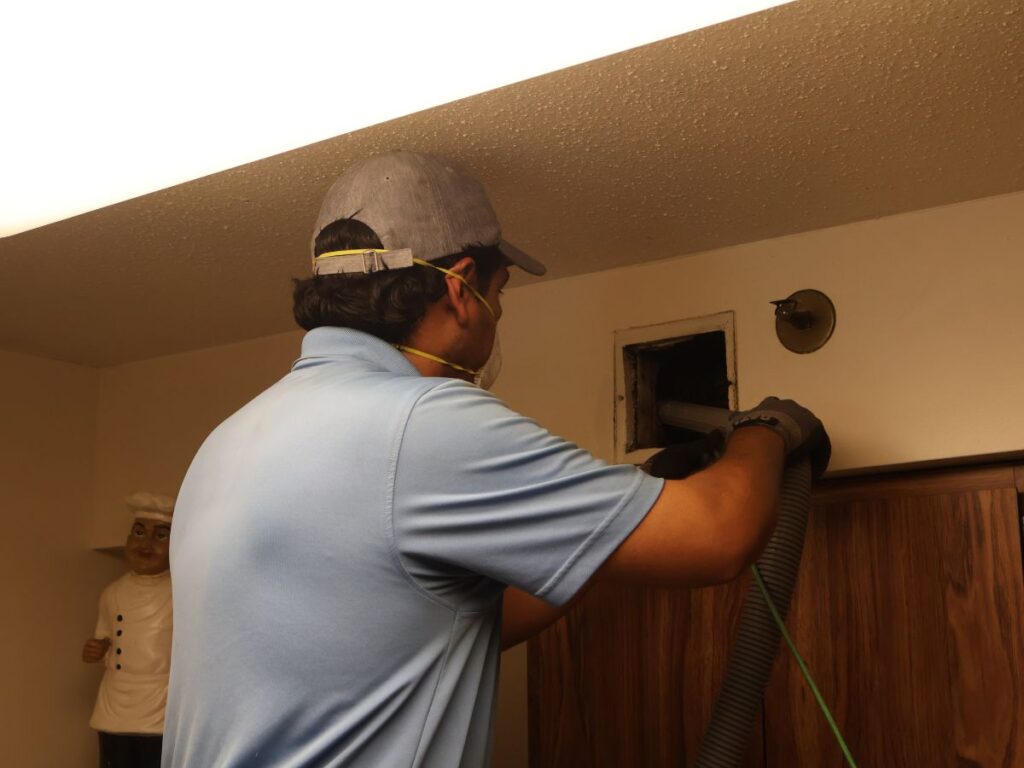
Air duct cleaning involves removing dust, debris, allergens, and contaminants that accumulate in your home’s ventilation system over time. A professional, NADCA certified cleaning service typically uses specialized equipment like powerful vacuums, brushes, and air compressors to dislodge and extract the buildup inside the ducts.

Steps Involved in a Professional Air Duct Cleaning:

  1. Inspection: A technician will start by inspecting your ducts to assess the level of dirt and debris. This helps determine the right tools and approach for cleaning.
  2. Preparation: To minimize mess, they will lay down protective coverings over your floors and furniture. They may also cover vents to contain dust during the cleaning process.
  3. Dislodging Debris: Using brushes or agitation tools, the technician will break up the buildup inside your air ducts.
  4. Vacuuming: A high-powered vacuum will be connected to your ductwork to suck out the loosened debris and dust.
  5. Final Check: After the cleaning, they’ll perform a final inspection to ensure all contaminants have been removed.

It’s important to understand that the quality of air duct cleaning services depends on the professional you choose. In order to ensure that your air duct is properly cleaned, with the least amount of mess, choose a trusted team such as Duct Crew. 

Is Air Duct Cleaning Messy? What You Need to Know

Air duct cleaning doesn’t have to be messy if handled by a reputable professional. Here’s what you can expect:

  • Professional Services Keep the Mess Minimal: Experienced technicians such as Duct Crew use protective covers, high-efficiency vacuums, and proper sealing techniques to prevent dust from spreading around your home. The goal is to contain and capture dirt, not release it into your living space.
  • DIY Air Duct Cleaning Can Be Messy: If you’re considering a DIY approach, be prepared for more mess. Without the right equipment, you might kick up dust and debris that can settle on furniture, floors, and other surfaces. You’ll also need to manage disassembling and reassembling parts of the ductwork.

Tips for Minimizing Mess During Air Duct Cleaning

Whether you go the professional route or try a DIY air duct cleaning, here are some tips to help you keep the mess to a minimum:

1. Hire a Professional Service

Choosing professional air duct cleaning services is the best way to minimize mess and ensure a thorough job. Professionals have specialized equipment to handle debris without scattering it around your home.

  • Tip: Look for a company that’s certified by the National Air Duct Cleaners Association (NADCA), such as Duct Crew. They follow industry standards to keep your home clean during the cleaning process.

2. Prepare Your Home Before Cleaning Begins

If you decide to hire a professional, there are a few things you can do to make the process easier and tidier:

  • Cover Furniture: Use plastic sheeting or old sheets to cover nearby furniture and electronics. Even with a professional service, some light dust might escape.
  • Clear the Area Around Vents: Move any furniture or items that could obstruct access to vents and registers.
  • Seal Off Rooms: Close the doors to rooms that aren’t part of the cleaning area to prevent dust from drifting.

3. Use the Right Tools for DIY Cleaning

If you’re opting for air duct cleaning DIY, make sure you have the proper tools to minimize mess:

  • Vacuum with HEPA Filter: A standard household vacuum won’t do the job. Use a vacuum with a HEPA filter to capture fine dust particles effectively.
  • Brushes and Agitators: Choose soft-bristle brushes designed for duct cleaning. Avoid using anything too stiff, as it can damage your ducts.
  • Protective Gear: Wear a mask, goggles, and gloves to protect yourself from dust and debris. Keep a tarp or drop cloth under vents to catch falling debris.

How to Choose the Right Air Duct Cleaning Service?

If you decide to hire a professional, here are some tips for choosing the best service:

  • Read Reviews: Check online reviews to see what previous customers have to say about the company’s professionalism, cleanliness, and results.
  • Ask About Their Process: A reliable company, such as Duct Crew, will explain how they minimize mess and what protective measures they take to safeguard you, your pets, and your home from contamination.
  • Check Certifications: EPA recommends checking if the company is certified by NADCA.

Frequently Asked Questions (FAQs)

How long does air duct cleaning take?

 For a standard-sized home, professional air duct cleaning usually takes 2-4 hours. Larger homes or complex duct systems may take longer.

How often should I have my air ducts cleaned?

The EPA recommends cleaning your air ducts every 3-5 years, but homes with pets, allergies, or recent renovations may benefit from more frequent cleanings.

Is air duct cleaning worth it if my house isn’t dusty?

Yes! Even if dust isn’t visible, pollutants like pet dander, pollen, and mold spores can accumulate in the ducts, affecting air quality.

Will air duct cleaning make my HVAC system more efficient?

According to Duct Doctor, clean ducts can improve airflow and reduce strain on your HVAC system, potentially lowering energy costs.

Final Thoughts

Air duct cleaning doesn’t have to be a messy ordeal if you take the right precautions and choose a professional service. A reputable air duct cleaning service will handle the mess for you, leaving your home clean and improving your air quality. By following these guidelines, you’ll be well-prepared for your next air duct cleaning, whether you decide to go the DIY route or bring in the pros. A little preparation goes a long way in keeping your home clean and air-healthy!

If you want a hassle-free, clean, and effective duct cleaning experience, consider contacting Duct Crew. Our expert team takes precautions to protect your home during the cleaning process, and once you submit the form, we’ll follow up to confirm the details and next steps.