How to Identify Signs of Poor Air Duct Sealing

Poor air duct sealing can allow conditioned air to escape before it reaches the rooms in your home, potentially contributing to uneven temperatures, weak airflow, and unnecessary HVAC energy loss. For homeowners in La Porte, IN and throughout Northwest Indiana, properly sealed ductwork is especially important because heating and cooling systems have to handle everything from cold winters to warm, humid summers.

Your duct system is responsible for carrying heated or cooled air from your HVAC equipment throughout the home. When gaps, cracks, disconnected joints, or other leaks develop, some of that air can escape into attics, crawl spaces, wall cavities, basements, or other areas instead of reaching the intended rooms.

Because much of the ductwork is hidden, leaks are not always easy to spot. Knowing the common signs of poor air duct sealing can help you recognize when your duct system may need professional inspection and sealing.

What Is Poor Air Duct Sealing?

HVAC ductwork is assembled from multiple sections, fittings, connections, and branches. These components need to remain properly connected and sealed so air can travel through the intended pathway.

Poor sealing occurs when air can escape through gaps or openings in the duct system.

Leaks may develop around joints and connections, or duct sections may become damaged or disconnected over time.

The severity of the problem depends on the size, number, and location of the leaks.

Why Does Air Duct Sealing Matter?

Your HVAC system heats or cools air and then relies on ductwork to distribute it throughout the home.

If part of that conditioned air escapes through leaks, less air may reach the rooms where it is needed.

Duct leakage can also allow air from surrounding unconditioned spaces to enter portions of the system, depending on where the leak is located and whether it affects supply or return ductwork.

Proper sealing helps keep airflow traveling through the intended duct system.

Uneven Temperatures Can Be a Sign of Duct Leakage

One of the most noticeable signs of a ductwork problem is inconsistent comfort from room to room.

You may notice that one bedroom remains warmer during summer while another room receives plenty of cool air. During winter, certain areas may feel colder even though the heating system is running.

There are many possible causes of uneven temperatures, including insulation, sun exposure, HVAC sizing, airflow balancing, and closed dampers.

However, leaking ductwork is one possibility worth investigating, particularly when the problem is persistent.

Weak Airflow From Certain Vents May Indicate a Leak

Place your hand near different supply registers while the HVAC system is operating.

If some vents produce noticeably less airflow than others, the ductwork supplying those areas may deserve closer attention.

A disconnected or leaking duct can allow some conditioned air to escape before reaching the register.

Weak airflow can also result from restrictions, blower problems, dirty filters, damaged ducts, or system design issues, so professional diagnosis is important.

Sudden Changes in Airflow Should Be Investigated

A room that has always received slightly less airflow may reflect the original HVAC design or balancing of the system.

A sudden change is different.

If a vent that previously delivered strong airflow becomes noticeably weaker, something may have changed within the ductwork or HVAC equipment.

A damaged or disconnected duct connection is one possible explanation.

Higher Energy Bills Can Be Associated With Duct Leakage

Heating and cooling represent a significant portion of household energy use.

When conditioned air escapes through duct leaks, the HVAC system may need to operate longer to maintain the thermostat setting.

This can contribute to unnecessary energy consumption.

However, rising utility bills can have many causes, including changing energy rates, extreme weather, thermostat settings, aging equipment, and insulation problems. Energy costs alone cannot confirm that your ducts are leaking.

Longer HVAC Cycles Can Be Another Warning Sign

Your heating and cooling system should operate long enough to bring the home toward the thermostat setting.

If substantial conditioned air is being lost before reaching the living areas, maintaining the desired temperature may become more difficult.

The system may run longer or cycle differently as a result.

Because mechanical HVAC problems can create similar symptoms, unusually long cycles should be professionally evaluated rather than automatically blamed on duct leakage.

Why Leaky Ducts Matter During La Porte Winters

Cold Northwest Indiana winters place substantial demand on home heating systems.

If supply ductwork passes through an unconditioned area and develops leaks, some heated air may escape before reaching the living space.

That can make certain areas of the home more difficult to keep comfortable.

Properly sealed ductwork helps ensure that heated air is delivered where the system was designed to send it.

Summer Cooling Can Also Be Affected

Air duct sealing matters just as much during warm weather.

When an air conditioner is running, cooled air needs to travel from the HVAC equipment to supply registers throughout the home.

Leaks along that pathway can allow cooled air to escape into spaces where it provides little or no benefit to occupants.

During hot, humid weather, this can contribute to comfort problems in affected rooms.

Excessive Dust Can Sometimes Point to Duct Problems

If your home seems unusually dusty shortly after cleaning, the duct system may be worth inspecting.

Leaks on the return side of the system can potentially pull air and particles from surrounding spaces into the ductwork.

However, excessive household dust has many possible sources, including pets, outdoor soil, open windows, filtration, carpets, and everyday activity.

Dust alone does not prove that your ductwork needs sealing.

Dust Around Vents Does Not Automatically Mean Ducts Are Leaking

A small amount of dust around supply and return registers is common.

Air movement can cause household particles to collect on vent covers and nearby surfaces.

Start by cleaning accessible grilles and checking the HVAC filter.

If unusually heavy dust continues to develop or other symptoms of duct leakage are present, professional inspection can help determine whether the duct system is contributing.

Musty or Unusual Odors May Enter Through Duct Leaks

Unusual smells when the HVAC system operates can have several possible causes.

If return ductwork has openings in a musty crawl space, attic, basement, or another area, air from that space may potentially enter the system.

Odors can also originate from HVAC components, moisture problems, pests, household activities, or contaminated ductwork.

A persistent smell should be investigated to identify the source rather than simply masked with fragrance.

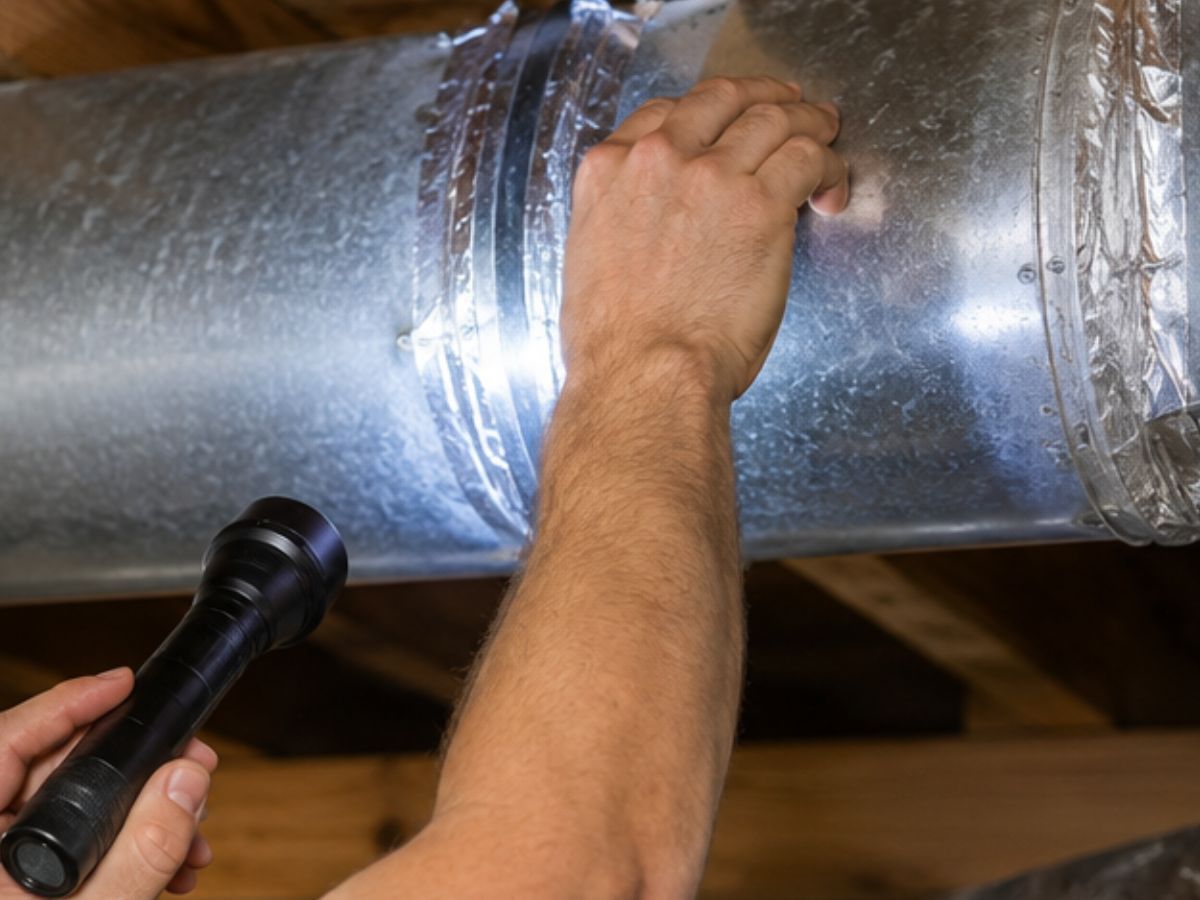
Visible Gaps Are an Obvious Sign of Poor Duct Sealing

Some ductwork is accessible in basements, utility rooms, attics, garages, or crawl spaces.

If you can safely view exposed duct sections, look for obvious gaps around joints and connections.

Separated sections, loose fittings, damaged flexible ducts, or visibly deteriorated sealing materials can indicate that repair or sealing is needed.

Do not enter unsafe attics or crawl spaces solely to inspect ductwork.

Disconnected Ductwork Can Cause Significant Air Loss

A duct connection that has completely separated creates a larger problem than a small leak around a seam.

Conditioned air may be released directly into an attic, crawl space, or other unconditioned area.

A disconnected return duct can also pull air from an unintended location.

Professional repair should address the physical connection before or as part of the sealing process.

Damaged Flexible Ducts Can Affect Air Delivery

Flexible ductwork can be useful for routing air through difficult spaces, but it needs to remain properly supported and connected.

Tears, loose connections, crushing, excessive bends, or physical damage can affect airflow.

Simply sealing a small opening may not correct a duct that has been significantly crushed or damaged.

A professional inspection can determine whether the section should be sealed, repositioned, repaired, or replaced.

Hot or Cold Spots Can Point to Distribution Problems

A persistent hot or cold spot can indicate that a room is not receiving the amount of conditioned air it needs.

Duct leakage is one possible cause, but it is not the only one.

Insufficient insulation, large windows, direct sunlight, room location, poor airflow balancing, and HVAC sizing can all affect comfort.

If temperature differences are substantial, evaluating the entire HVAC distribution system can help identify the actual cause.

Rooms Farther From the HVAC System May Show Problems First

Longer duct runs already require conditioned air to travel farther before reaching a room.

If those ducts also contain leaks, the effect may become more noticeable at distant registers.

Rooms at the end of a duct run may experience weaker airflow or more difficulty maintaining comfortable temperatures.

Professional testing can determine whether leakage is contributing to the problem.

Air Leaks Can Occur on Supply and Return Ducts

It is important to understand that both sides of a forced-air HVAC system can develop leaks.

Supply ducts carry conditioned air toward rooms. A supply leak allows some of that air to escape before reaching the intended register.

Return ducts carry indoor air back toward the HVAC equipment. Leaks in these ducts can allow air from surrounding spaces to enter the return system.

The effects can therefore differ depending on where the leak occurs.

Why Return Duct Leaks Matter

Return ductwork operates under negative pressure while the blower is running.

Instead of pushing air outward, leaks can pull surrounding air inward.

If the duct passes through a dusty or unconditioned area, unwanted air and particles may enter the system.

Sealing return ducts helps ensure that return air is being drawn from the intended areas of the home.

Why Supply Duct Leaks Matter

Supply ducts operate under positive pressure while the HVAC blower is running.

Openings in these ducts can allow conditioned air to escape.

The result may be reduced airflow at downstream registers and unnecessary heating or cooling of spaces outside the home’s conditioned living area.

The impact depends on the location and severity of the leakage.

Noisy Ductwork Can Sometimes Indicate a Problem

Whistling, rushing, or other unusual sounds near ductwork can sometimes indicate airflow moving through a gap or restriction.

However, duct noise can also result from undersized ducts, closed dampers, high blower speeds, expanding metal, or other HVAC conditions.

New or persistent noises should be evaluated rather than using sound alone to diagnose a leak.

A professional can inspect the system and determine whether sealing is appropriate.

Why Duct Leaks Develop Over Time

Duct systems are exposed to temperature changes, vibration, building movement, and normal aging.

Connections and sealing materials can deteriorate, and physical disturbance can damage certain sections.

Renovations, work in attics or crawl spaces, pest activity, or other projects may also affect ductwork.

Even a system that was originally installed correctly can develop problems later.

Older Homes May Have Aging Duct Connections

Older homes throughout Northwest Indiana may contain ductwork that has been in place for many years.

Age alone does not mean ducts are leaking, but older connections and sealing materials may deserve inspection when comfort or airflow problems develop.

Some older systems may also have been modified during renovations or HVAC equipment replacements.

Evaluating the entire distribution system can reveal issues that are not visible from individual registers.

Renovations Can Affect Existing Ductwork

Home improvement projects can sometimes disturb duct connections.

Workers may need to access attics, crawl spaces, walls, or ceilings where ductwork is located.

Duct sections can be moved, compressed, or accidentally damaged during construction.

If airflow or comfort problems begin after a major renovation, inspecting the duct system may help identify the cause.

Can You Find Duct Leaks Yourself?

Homeowners may be able to identify obvious problems in safely accessible ductwork.

Visible gaps, disconnected sections, damaged flexible ducts, and loose connections are all worth noting.

However, much of a home’s ductwork may be hidden behind walls, ceilings, or insulation.

Professional testing is more effective for identifying leakage that cannot be seen during a basic visual inspection.

Be Careful With DIY Duct Inspections

Do not enter unsafe attics, crawl spaces, or other restricted areas just to search for duct leaks.

These spaces can contain electrical wiring, insulation, low clearances, extreme temperatures, and other hazards.

Homeowners can monitor comfort, airflow, and accessible duct sections without putting themselves at unnecessary risk.

A professional can inspect areas that require specialized access.

How Professionals Test for Duct Leakage

Professional duct evaluation can involve visual inspection and diagnostic testing to identify leakage within the system.

Testing can help determine whether conditioned air is escaping and provide a better understanding of the severity of the problem.

This is especially useful when ductwork is hidden or when homeowners are experiencing symptoms without an obvious visible leak.

The results can help determine whether sealing or repair is appropriate.

Why Guessing at Duct Leaks Can Waste Time

Many symptoms associated with duct leakage can also be caused by unrelated HVAC or building problems.

Weak airflow could result from a dirty filter. A hot bedroom could be caused by poor insulation. High energy bills may reflect extreme weather or equipment issues.

Simply sealing random accessible seams may not address the actual source of the problem.

Professional diagnosis helps distinguish duct leakage from other conditions that require different solutions.

Can You Seal Air Ducts With Regular Duct Tape?

Despite its name, ordinary cloth-backed duct tape is generally not the preferred material for permanent HVAC duct sealing.

Adhesives can deteriorate with age and temperature exposure.

Professional duct sealing may use materials and methods designed specifically for HVAC applications.

The appropriate solution depends on the type, location, accessibility, and condition of the ductwork.

What Is Aeroseal Duct Sealing?

Aeroseal is a professional duct sealing method designed to address leaks from inside the duct system.

Rather than requiring every small leak to be manually accessed from the outside, the process introduces sealing material into the duct system under controlled conditions.

The material is intended to accumulate around leakage points and seal qualifying openings.

Duct Crew offers Aeroseal air duct sealing for homes with duct leakage concerns in La Porte and surrounding communities.

When Is Manual Duct Sealing Appropriate?

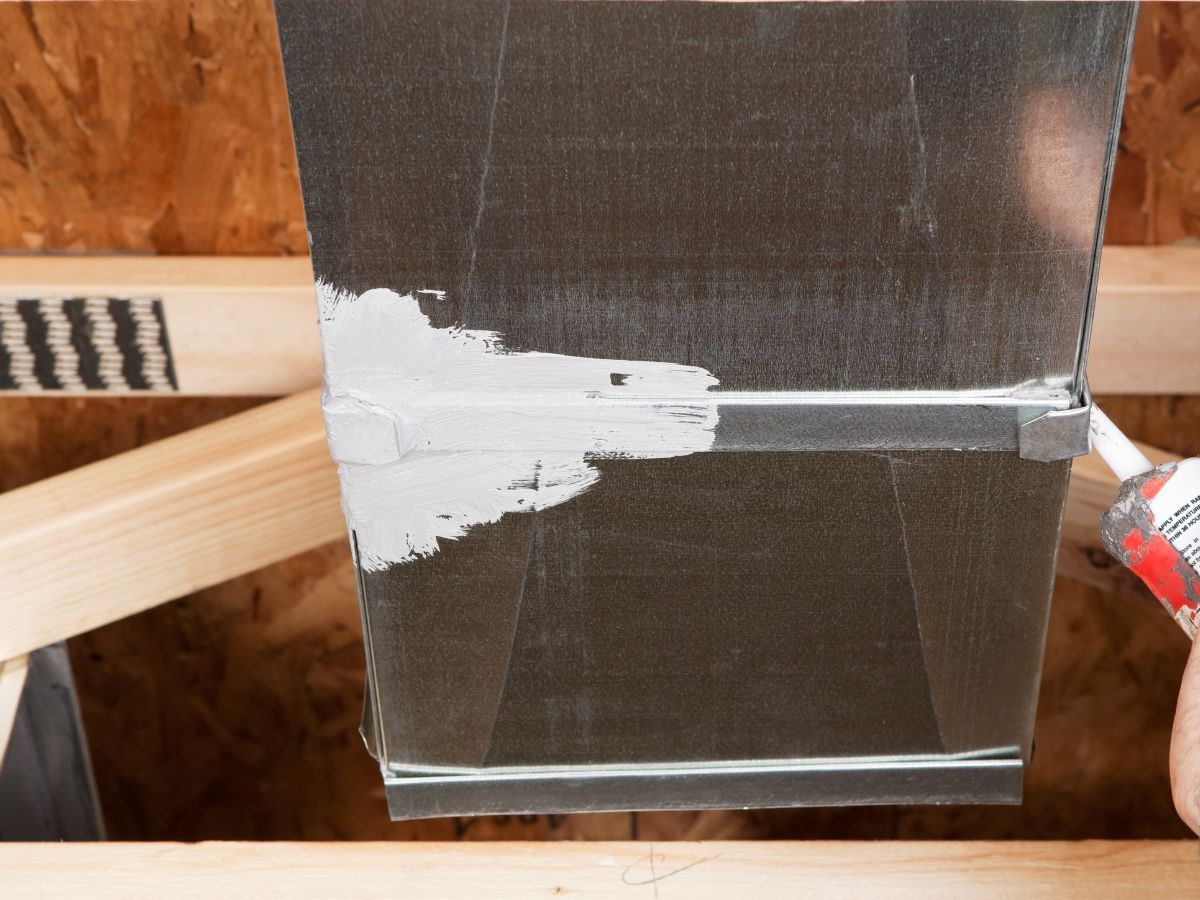
Accessible duct joints and connections can sometimes be sealed directly using HVAC-appropriate materials.

This may be useful when leaks are visible and reachable.

However, manual sealing becomes more difficult when ductwork runs through finished walls, ceilings, or other inaccessible areas.

The right approach depends on the layout and condition of the system.

Duct Sealing Cannot Fix Every Airflow Problem

Sealing is intended to address air leakage.

It cannot correct every problem involving airflow or comfort.

Crushed ducts, improper system sizing, failing HVAC equipment, closed dampers, dirty components, and poorly designed duct systems may require different solutions.

A thorough evaluation should identify the actual problem before sealing begins.

Duct Cleaning and Duct Sealing Are Different Services

Duct cleaning removes accumulated dust and debris from the duct system.

Duct sealing addresses openings where air can escape or enter.

A dirty duct is not necessarily a leaky duct, and a clean duct can still contain significant leakage.

Depending on the system’s condition, a home may need one service, both services, or neither.

Should You Seal Ducts Before Replacing HVAC Equipment?

If significant duct leakage exists, evaluating it before or during an HVAC replacement can be useful.

New heating or cooling equipment still relies on the existing duct system to distribute conditioned air.

Installing new equipment does not automatically correct leaking ducts.

Addressing distribution problems can help ensure the overall HVAC system is functioning as intended.

Can Duct Sealing Help With Uneven Heating and Cooling?

If duct leakage is responsible for reduced air delivery to certain rooms, sealing those leaks may help improve distribution.

However, uneven temperatures can have several causes.

A professional should determine whether leakage is actually contributing before presenting duct sealing as the solution.

Homes with multiple comfort issues may need both duct and broader HVAC evaluation.

Can Duct Sealing Improve HVAC Efficiency?

When conditioned air is escaping through significant leaks, sealing those openings can reduce unnecessary air loss.

This allows more of the heated or cooled air produced by the HVAC equipment to remain within the intended distribution system.

The actual effect on energy use depends on the severity and location of leakage, HVAC condition, home construction, and other factors.

Homeowners should be cautious of guarantees promising a specific reduction in utility bills without evaluating the property.

How Can You Reduce Future Duct Problems?

Ductwork does not require constant attention, but several practices can help prevent avoidable damage:

  • Avoid placing heavy objects on exposed flexible ducts
  • Protect ductwork during renovations
  • Address pest problems promptly
  • Have sudden airflow changes evaluated
  • Repair visibly disconnected duct sections
  • Maintain HVAC equipment and filters appropriately
  • Investigate persistent moisture around ductwork
  • Have older systems inspected when comfort problems develop

Early attention can help prevent a small physical problem from becoming a larger airflow issue.

When Should You Have Your Air Ducts Professionally Inspected?

Consider a professional duct inspection if you notice several signs occurring together.

Persistent uneven temperatures, weak airflow, unexplained HVAC performance changes, visible duct damage, or unusually long heating and cooling cycles can all justify a closer look.

Inspection can also be useful after major remodeling work or when purchasing an older home with an unknown ductwork history.

Testing provides more reliable information than trying to diagnose hidden leakage from symptoms alone.

Professional Air Duct Sealing in La Porte, IN

Because much of a home’s ductwork is hidden, poor air duct sealing can go unnoticed until comfort or airflow problems become obvious.

Duct Crew provides professional air duct sealing services in La Porte, IN and surrounding Northwest Indiana communities. Their air duct sealing services include Aeroseal as well as Duct Armor solutions for qualifying ductwork. :contentReference[oaicite:0]{index=0}

If you are experiencing uneven temperatures, weak airflow, visible duct damage, or other signs of potential leakage, a professional evaluation can help determine whether the duct system is actually responsible.

Identifying the source first allows the appropriate sealing, repair, or HVAC service to be recommended instead of relying on guesswork.

Final Thoughts About How to Identify Signs of Poor Air Duct Sealing

Learning how to identify signs of poor air duct sealing can help you recognize problems that may otherwise remain hidden behind walls, ceilings, and insulation. Uneven temperatures, weak airflow, unusually long HVAC cycles, visible gaps, and sudden changes in comfort can all indicate that the duct system deserves closer inspection.

These symptoms do not automatically confirm a duct leak because HVAC equipment, insulation, filtration, and system design can create similar problems. Professional inspection and testing can determine whether air is actually escaping from the ductwork and where the problem is occurring.

Duct Crew provides professional air duct sealing in La Porte, IN and throughout Northwest Indiana. If you suspect your ductwork is leaking, having the system properly evaluated can help determine whether sealing, repair, or another HVAC solution is the appropriate next step.

Frequently Asked Questions About Poor Air Duct Sealing

What are the most common signs of leaking air ducts?

Common signs include uneven temperatures between rooms, weak airflow from certain vents, unusually long heating or cooling cycles, visible gaps or disconnected duct sections, and unexplained comfort problems. Because these symptoms can have other causes, professional inspection is the best way to confirm duct leakage.

Can I tell if my air ducts are leaking without opening the walls?

You may be able to identify visible problems in accessible ductwork, but many leaks occur in areas that cannot be easily seen. Professional duct testing can help identify and measure leakage without relying solely on visual inspection.

Does sealing air ducts help lower energy costs?

If significant duct leakage is allowing conditioned air to escape, sealing the leaks can reduce unnecessary air loss and help the HVAC distribution system operate as intended. The effect on utility costs varies based on the amount and location of leakage, HVAC equipment, weather, insulation, and other characteristics of the home.
Beyond HVAC Repair: Why La Porte Homes Need Air Duct Sealing

When a home will not stay comfortable, most homeowners assume the furnace or air conditioner is the problem. If one room feels too cold in the winter or another room feels too warm in the summer, it is easy to think the HVAC unit needs another repair.

But in many La Porte homes, the real issue is not always the furnace or AC system itself. The issue may be hiding in the ductwork that carries heated and cooled air through the home.

Leaky, aging, or poorly sealed ducts can waste conditioned air, increase energy bills, reduce comfort, and force HVAC equipment to work harder than it should. That means homeowners may keep scheduling furnace repair or AC repair when the real solution is proactive air duct sealing.

Duct Crew has served La Porte and Northwest Indiana since 1986, helping homeowners improve comfort, indoor air quality, and HVAC performance through professional duct cleaning, duct sealing, and Duct Armor® Air Duct Sealing solutions.

Why HVAC Repairs Do Not Always Solve Comfort Problems

If your furnace runs constantly but certain rooms still feel cold, or your air conditioner struggles to keep up during humid Indiana summers, it may seem like the equipment is failing. Sometimes, that is true. HVAC systems do need regular service, and components can wear out over time.

However, comfort problems are not always caused by the unit itself. Your HVAC system depends on a network of ducts to move air through the home. If those ducts are leaking, damaged, or poorly connected, the heated or cooled air may never reach the rooms where it is needed.

This can lead to common comfort issues such as:

  • Rooms that are too hot or too cold
  • Weak airflow from vents
  • High energy bills
  • Longer heating and cooling cycles
  • More frequent HVAC repairs
  • Dusty or musty indoor air

When ductwork is overlooked, homeowners may spend money repairing the HVAC unit without ever addressing the root cause of the problem.

How Leaky Ducts Waste Energy

Your HVAC system works hard to heat and cool your home. But if your ducts have gaps, cracks, or loose connections, a portion of that conditioned air can escape before it ever reaches your living spaces.

That wasted air often leaks into attics, crawl spaces, basements, or wall cavities. At the same time, unconditioned air from those areas can be pulled back into the duct system.

This creates a cycle where the HVAC system has to work harder to maintain the temperature on the thermostat. The result is higher energy usage, more strain on the system, and less consistent comfort throughout the home.

For La Porte homeowners, this can be especially frustrating during both winter and summer. Cold Indiana winters place heavy demand on furnaces, while humid summers force air conditioners to run longer to remove heat and moisture from the air.

Why La Porte Homes Are Especially Vulnerable to Duct Problems

La Porte has a wide variety of homes, including older properties with aging duct systems. Many older homes were built before modern energy efficiency standards and may have ductwork that has shifted, separated, or deteriorated over time.

Even newer homes can have duct leakage if the system was not sealed properly during installation. Small gaps around joints and connections can create major efficiency problems over the years.

Local weather also plays a role. La Porte experiences cold winters, humid summers, and seasonal changes that put stress on HVAC systems. As ductwork expands, contracts, and ages, leaks can become worse.

Common duct problems in La Porte homes include loose connections, damaged insulation, deteriorated sealing materials, crushed flexible ductwork, and leaks in attic or crawl space duct runs.

What Air Duct Sealing Actually Does

Air duct sealing is designed to close the gaps, cracks, and leaks inside the duct system so conditioned air can move more efficiently throughout the home.

When ducts are sealed properly, more of the air your furnace or air conditioner produces reaches the rooms where it belongs. This helps improve comfort, reduce energy waste, and lower the workload on your HVAC equipment.

Professional duct sealing can help address:

  • Air leaks inside ductwork
  • Weak or uneven airflow
  • Dust entering through gaps
  • Humidity entering the duct system
  • Energy loss from damaged ducts
  • Comfort problems in hard-to-condition rooms

Instead of simply reacting to HVAC breakdowns, duct sealing helps improve the performance of the entire heating and cooling system.

How Duct Armor® Air Duct Sealing Works

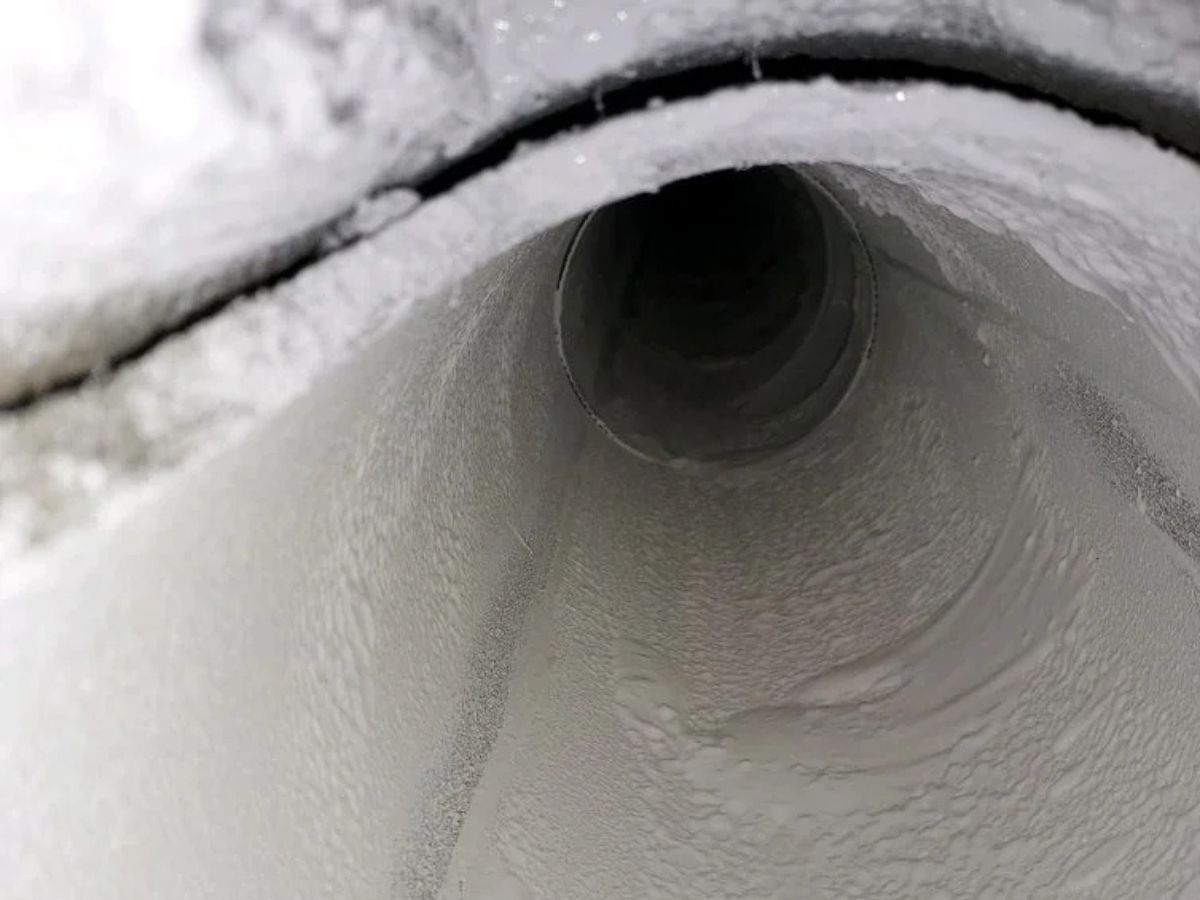
Duct Armor® Air Duct Sealing is a long-term solution for aging, leaky, or deteriorating duct systems. Rather than only sealing visible gaps from the outside, Duct Armor® creates a protective lining inside the ductwork.

The process uses a specialized rubberized coating that is applied to the interior surfaces of the duct system. Once cured, this lining helps seal leaks, cover deteriorating materials, and create a smoother interior surface for airflow.

This solution can be especially helpful for older homes where ducts may be difficult to access, damaged, or not practical to fully replace.

Duct Armor® can help:

  • Seal leaks from inside the duct system
  • Improve airflow throughout the home
  • Reduce dust and contaminant entry
  • Encapsulate aging duct materials
  • Help prevent future mold growth
  • Improve overall HVAC efficiency

For many La Porte homeowners, Duct Armor® offers a practical way to restore duct performance without the disruption and expense of complete duct replacement.

How Sealed Ducts Improve Comfort

One of the biggest benefits of air duct sealing is improved comfort. When air is no longer escaping through leaks, rooms receive more consistent airflow.

This can help reduce hot and cold spots throughout the home. Bedrooms, living rooms, and upstairs spaces may feel more balanced because the HVAC system can distribute air more effectively.

Sealed ducts also help the system reach the thermostat setting more efficiently. Instead of running longer to compensate for lost air, the system can heat or cool the home more evenly.

For homeowners who have been dealing with stubborn comfort issues, duct sealing may provide noticeable improvement without replacing the entire HVAC system.

How Air Duct Sealing Can Help Lower Energy Bills

When conditioned air leaks out of the duct system, your HVAC system has to make up for that loss. This often leads to longer run times and higher utility bills.

By sealing leaks, more heated or cooled air stays inside the system and reaches the intended rooms. This helps the HVAC system operate more efficiently.

While every home is different, homeowners may notice improved efficiency after professional duct sealing because the system no longer has to work as hard to maintain comfort.

Lower energy waste is especially valuable during peak heating and cooling seasons in La Porte, when HVAC systems are under the most pressure.

How Leaky Ducts Affect Indoor Air Quality

Leaky ducts do more than waste energy. They can also pull dust, pollen, insulation particles, mold spores, and musty air into the HVAC system.

If ductwork runs through an attic, basement, crawl space, or wall cavity, leaks can allow contaminants from those areas to enter the air your family breathes.

This can contribute to indoor air quality issues such as dust buildup, allergy symptoms, musty odors, and respiratory irritation.

In La Porte, seasonal pollen and summer humidity can make these issues worse. When humid air enters the duct system, it can create condensation and increase the risk of mold growth inside the ducts.

Why Mold Prevention Matters in Ductwork

Mold needs moisture to grow, and leaky ductwork can create the conditions mold needs. When warm, humid air enters cool duct surfaces, condensation may form.

Over time, that moisture can mix with dust and organic debris inside the ducts, creating an environment where mold can develop.

Once mold grows inside the duct system, spores can circulate through the home whenever the HVAC system runs. This may lead to musty odors and poor indoor air quality.

Duct sealing helps reduce moisture intrusion by closing the pathways that allow humid air to enter the system. Duct Armor® also creates a smoother, sealed surface that helps reduce places where mold and debris can collect.

Why Duct Sealing Can Reduce HVAC Strain

An HVAC system connected to leaky ductwork has to work harder than it should. The furnace or air conditioner may run longer cycles because too much conditioned air is escaping before it reaches the living space.

This extra workload can increase wear on major system components. Over time, that added strain may contribute to more frequent repairs and a shorter equipment lifespan.

Sealing the ductwork helps the system operate closer to the way it was designed. Better airflow and reduced leakage can help the furnace and air conditioner perform more efficiently with less unnecessary strain.

For homeowners tired of repeated HVAC repair calls, duct sealing may be an important step toward improving long-term system performance.

The Difference Between Duct Sealing and HVAC Repair

HVAC repair focuses on fixing the equipment itself. This may include repairing a blower motor, replacing a capacitor, correcting refrigerant issues, or servicing the furnace.

Duct sealing focuses on the air delivery system. It helps make sure the air produced by the HVAC equipment is actually reaching the rooms in your home.

Both services can be important, but they solve different problems. If the equipment is working properly but the home still feels uncomfortable, ductwork may be the missing piece.

A complete comfort evaluation should look at both the HVAC system and the duct system. That is the best way to identify whether the problem is with the unit, the ducts, or both.

What Happens During a Professional Duct Inspection

A professional duct inspection helps identify leaks, damage, contamination, and airflow problems inside the duct system.

Duct Crew uses specialized inspection methods to evaluate the condition of the ductwork and determine whether cleaning, sealing, or additional repairs may be needed.

During an inspection, technicians may look for:

  • Disconnected duct sections
  • Visible leaks or gaps
  • Damaged duct insulation
  • Dust and debris buildup
  • Signs of moisture or mold
  • Deteriorating duct materials

This inspection helps homeowners understand whether duct sealing is the right solution for their home.

Why Cleaning Often Comes Before Sealing

Before applying Duct Armor® or completing certain duct sealing services, professional air duct cleaning may be recommended.

Cleaning removes dust, debris, pollen, pet dander, and other contaminants from the ductwork. This helps prepare the interior surfaces and allows the sealing process to be more effective.

For homes with mold concerns, cleaning and treatment may also be needed before sealing begins.

Starting with a clean duct system helps create a better foundation for long-term improvements in airflow, efficiency, and indoor air quality.

Why Professional Duct Sealing Is Better Than DIY Fixes

Some homeowners try to seal visible duct leaks with tape or basic materials from a hardware store. While this may seem like a quick fix, it usually does not solve deeper duct leakage problems.

Many leaks are hidden behind walls, above ceilings, or inside hard-to-reach areas. Tape can also dry out, loosen, or fail over time, especially when exposed to heat, moisture, and airflow pressure.

Professional duct sealing uses specialized materials and equipment designed for long-term performance. Duct Armor® is applied inside the duct system, allowing it to reach areas that may not be accessible from the outside.

This creates a more complete solution than surface-level patching.

Long-Term Benefits of Proactive Air Duct Sealing

Air duct sealing is not just about fixing one room or lowering one utility bill. It is a long-term investment in your home’s comfort, efficiency, and indoor air quality.

For La Porte homeowners, proactive duct sealing can help reduce the impact of humid summers, cold winters, seasonal allergens, and aging duct systems.

The long-term benefits may include:

  • More consistent indoor temperatures
  • Reduced energy waste
  • Cleaner indoor air
  • Fewer comfort complaints
  • Less strain on HVAC equipment
  • Improved duct system performance

By addressing the duct system before major problems develop, homeowners can often avoid unnecessary frustration and repeated service calls.

Final Thoughts About Air Duct Sealing in La Porte

If your La Porte home has uneven temperatures, weak airflow, high energy bills, or recurring HVAC problems, the issue may not be limited to your furnace or air conditioner. Leaky ductwork could be allowing conditioned air to escape while pulling dust, humidity, and contaminants into your system.

Proactive air duct sealing helps improve the way your entire HVAC system performs. By sealing leaks and restoring airflow, homeowners can enjoy better comfort, cleaner indoor air, and improved energy efficiency.

Duct Crew provides professional duct inspections, duct cleaning, and Duct Armor® Air Duct Sealing for homeowners throughout La Porte and Northwest Indiana. With decades of local experience and a focus on long-term solutions, Duct Crew helps homeowners move beyond repeated HVAC repairs and toward lasting home comfort.

How do I know if my ducts need sealing?

Common signs include uneven temperatures, weak airflow, high energy bills, excessive dust, musty odors, and an HVAC system that runs constantly without keeping the home comfortable.

Can leaky ducts make my energy bills higher?

Yes. Leaky ducts allow conditioned air to escape before it reaches your living spaces, forcing the HVAC system to run longer and use more energy.

Is duct sealing the same as HVAC repair?

No. HVAC repair fixes the heating or cooling equipment, while duct sealing improves the air delivery system that moves heated and cooled air through the home.

What is Duct Armor® Air Duct Sealing?

Duct Armor® is a duct sealing solution that applies a protective rubberized lining inside the ductwork to help seal leaks, improve airflow, and reduce future contamination.

Can duct sealing improve indoor air quality?

Yes. Sealing ducts can help reduce the amount of dust, pollen, insulation particles, moisture, and contaminants entering the HVAC system through leaks.

Does duct sealing help with hot and cold spots?

Yes. When more conditioned air reaches each room, airflow becomes more balanced and indoor temperatures may feel more consistent throughout the home.

Should ducts be cleaned before they are sealed?

In many cases, yes. Cleaning removes dust, debris, and contaminants so the duct system is better prepared for sealing or Duct Armor® application.

Can duct sealing help prevent mold?

Duct sealing can help reduce humid air intrusion and condensation inside the duct system, which may lower the risk of mold growth.

Is Duct Armor® a replacement for duct replacement?

In some homes, Duct Armor® may be a practical alternative to full duct replacement, especially when the ductwork is aging, difficult to access, or leaking from multiple areas.

Who should I call for air duct sealing in La Porte?

La Porte homeowners can contact Duct Crew for professional duct inspections, duct cleaning, and Duct Armor® Air Duct Sealing designed for local homes and climate conditions.

What is the Average Cost of Air Duct Sealing in Crete, IL?

The average cost of air duct sealing in Crete, IL ranges between $1,200 to $2,500 for a standard-sized home. Prices depend on various factors such as home size, duct accessibility, sealing method used, and overall system condition.

Air duct sealing is one of those behind-the-scenes home improvements that can have a dramatic impact on your comfort, energy efficiency, and indoor air quality. Properly sealed ducts help ensure that your HVAC system isn’t working harder than it needs to, which saves money in the long run.

In this blog, we’ll explore the many factors that affect air duct sealing cost, how to know when you need sealing services, what to look for in a professional provider, and answers to common homeowner questions. Whether you’re a new homeowner or simply looking to upgrade your home’s HVAC performance, this guide will help you make informed decisions.

Factors That Influence the Average Price of Air Duct Sealing in Crete, IL

Understanding the cost breakdown behind air duct sealing services can help you plan ahead and avoid unnecessary surprises. Here are the primary elements that contribute to pricing:

1. Size and Layout of the Home

The total square footage of your home significantly affects the cost. Larger homes require more extensive air ducts sealing, which means more time, materials, and labor. A single-story ranch might be quicker to service than a multi-level home with complex ductwork.

2. Accessibility of Ductwork

If your ductwork is easy to reach, such as in a basement or accessible attic, the job will typically be more affordable. On the other hand, if ducts are located in tight crawl spaces or hard-to-reach ceiling voids, the extra effort involved in sealing them will increase the price.

3. Type of Sealing Method Used

There are two primary techniques used by air duct sealing companies:

  • Manual Sealing using mastic or foil-backed tape is labor-intensive but cost-effective for small systems.
  • Aerosol-Based Sealing (like Aeroseal) uses advanced technology to seal leaks from the inside. It’s more thorough and efficient, but typically adds $1,000 or more to the total cost.

Both have their benefits, and the right method depends on the condition and layout of your duct system.

4. Condition of the Existing Duct System

Before sealing can begin, any major damage; such as disconnected ducts, holes, or mold, must be addressed. Repairs will increase your overall air duct sealing cost, but they’re necessary to ensure effective sealing.

5. Extent of Leakage

Duct leakage is usually measured before sealing begins. If your ducts are losing more than 20% of their air, the sealing job will be more intensive, requiring additional sealing materials and labor hours.

6. HVAC System Integration

Your HVAC system type and how it integrates with your ductwork also matters. Older systems may require additional work or careful handling, while newer systems can be more straightforward to work with.

7. Local Labor Rates in Crete, IL

Labor costs vary by region. In Crete, IL, prices are typically moderate, but may still fluctuate based on seasonal demand or company availability. Fall and spring are high-demand seasons when many homeowners seek HVAC upgrades.

8. Added Services or Inspections

Many homeowners opt to bundle their duct sealing with additional services such as:

  • Duct cleaning
  • Energy audits
  • Air quality assessments

While these add to the final invoice, they can enhance performance and provide peace of mind.

Why Air Duct Sealing Is a Smart Investment for Your Home

Air duct sealing might not be the most glamorous home upgrade, but it’s certainly one of the most impactful. Many homeowners don’t realize how much conditioned air is lost through leaky ducts (sometimes up to 30% or more). That means a significant portion of your heating and cooling budget could literally be escaping through holes, gaps, and poorly connected ducts.

Here are some key benefits of investing in professional air duct sealing services:

1. Energy Efficiency and Lower Utility Bills

When your ducts are properly sealed, your HVAC system doesn’t have to work as hard to keep your home comfortable. That translates to lower energy consumption, and lower monthly bills. 

According to the U.S. Department of Energy, sealing your ducts can reduce your energy costs by 20% or more.

2. Improved Indoor Air Quality

Unsealed air ducts can draw in dust, allergens, mold spores, and even insulation particles from attics or crawl spaces. These contaminants then get circulated throughout your home. Sealing prevents these pollutants from entering your duct system, resulting in cleaner, healthier indoor air for your family.

3. Enhanced Home Comfort

Do you have rooms that are always too hot or too cold? Air duct sealing helps to ensure even air distribution throughout your house. Sealing those gaps can eliminate hot and cold spots, making your home more consistently comfortable in every season.

4. Prolonged HVAC System Life

Leaky ducts force your heating and cooling systems to run longer cycles to maintain the desired temperature. This added strain can lead to more frequent breakdowns and shorten your HVAC unit’s lifespan. With sealed ducts, your system runs more efficiently and lasts longer.

5. Eco-Friendly Home Upgrade

Using less energy doesn’t just save you money, it also helps reduce your environmental footprint. Sealing your ductwork is a green home improvement that minimizes energy waste and supports sustainable living.

Frequently Asked Questions About Air Duct Sealing

1. How often should air ducts be sealed?

A: Ducts don’t need to be sealed often, typically once every 10–15 years, or sooner if you’re experiencing airflow issues, high utility bills, or inconsistent room temperatures.

2. Will sealing my ducts really save money?

A: Yes. According to ENERGY STAR, sealing ducts can improve HVAC efficiency by up to 20%, which can significantly reduce your heating and cooling costs.

3. Can I seal air ducts myself?

A: Complete air duct sealing services require specialized tools and know-how for lasting results.

4: Do sealed ducts improve air quality?

A: Absolutely! Sealing prevents dust, pollutants, and allergens from entering your HVAC system and circulating through your home.

5. How long does duct sealing take?

A: A typical job takes 4 to 8 hours, depending on home size and method used. Homes using aerosol-based sealing might require additional preparation time.

Effective and Affordable Air Duct Sealing in Crete, IL!

Air duct sealing might not be the most visible home improvement, but its benefits are far-reaching, from lower utility bills and improved air quality to enhanced comfort and a longer-lasting HVAC system. Understanding the factors that influence air duct sealing cost in Crete, IL, empowers you to make a smart, informed investment in your home’s health and efficiency.

When it’s time to seal your ducts, don’t cut corners. Hiring a professional ensures the job is done right the first time. With specialized tools, diagnostic testing, and expert knowledge, certified air duct sealing companies can provide results that DIY efforts simply can’t match.

If you’re in Crete, IL and looking for trusted, professional air duct sealing services, Duct Crew is ready to help. Our experienced team offers thorough inspections, high-quality sealing methods, and transparent pricing to ensure your system performs at its peak. Whether you’re battling inconsistent room temperatures, rising energy bills, or poor indoor air quality, we’ll deliver tailored solutions you can rely on.


Contact Duct Crew today for a free consultation and take the first step toward a more efficient, comfortable, and healthier home.

What is the average cost of air duct sealing in Lakeville, IN?

The average cost of air duct sealing in Lakeville, IN, typically ranges between $500 to $2,000. 

The exact price depends on factors such as the home size, duct condition, and the sealing method used. Larger homes with extensive ductwork may require more labor and materials, increasing the overall expense. Likewise, older homes with deteriorating duct systems may need additional repairs before sealing. 

For a professional and effective sealing service, Duct Crew provides expert solutions tailored to your needs.

Factors Affecting the Cost of Air Duct Sealing

The cost of air duct sealing is influenced by several key factors. 

Homeowners should consider these aspects when budgeting for the service:

  • HVAC System Size: Larger systems require more sealing materials and labor, leading to higher costs.
  • Extent of Leakage: Minor leaks are easier to fix, while significant gaps or structural damage will require more time and resources.
  • Accessibility: Easily reachable ducts are cheaper to seal, whereas hidden or damaged ducts may require more extensive work.
  • Sealing Method: Different methods like mastic sealant, foil tape, or aerosol-based solutions vary in price and durability.
  • Professional Expertise: Hiring experienced technicians ensures a thorough job but may come at a premium.
  • Regional Labor Rates: Prices fluctuate based on local labor costs and demand for HVAC services.

Signs That Your Air Ducts Need Sealing

Air ducts play a crucial role in maintaining your home’s heating and cooling efficiency. 

Over time, leaks can develop, leading to various issues. 

Here are the most common signs that indicate your air ducts need sealing:

  1. Higher Energy Bills: Unsealed ducts allow air to escape, forcing your HVAC system to work harder and increasing utility costs.
  2. Uneven Temperatures: If some rooms in your home feel significantly hotter or colder than others, air leaks could be disrupting airflow.
  3. Excessive Dust: Gaps in the ductwork can pull in dust and distribute it throughout your home.
  4. Poor Indoor Air Quality: Musty odors, increased allergens, or humidity issues may signal that your ducts are not properly sealed.
  5. Unusual Noises: Whistling or rattling sounds from the ductwork often indicate air escaping through gaps.

Benefits of Sealing Your Air Ducts

Properly sealing your air ducts offers numerous advantages that enhance your home’s comfort and efficiency:

  • Improved Energy Efficiency: Preventing heated or cooled air from escaping reduces energy waste.
  • Lower Utility Bills: A more efficient HVAC system results in noticeable cost savings over time.
  • Enhanced Comfort: Consistently regulated indoor temperatures lead to a more comfortable living space.
  • Better Air Quality: Fewer air leaks mean less dust, allergens, and pollutants circulating in your home.
  • Extended HVAC Lifespan: Reduces strain on your system, helping it last longer and perform optimally.

DIY vs. Professional Air Duct Sealing

Many homeowners wonder whether they should attempt air duct sealing themselves or hire a professional. Here’s a comparison to help you decide:

  • DIY Sealing: Some homeowners use foil tape or mastic to patch visible leaks, but this is often a temporary fix.
  • Professional Sealing: Experts utilize specialized tools and aerosol-based sealants to address both visible and hidden leaks.
  • Efficiency & Cost-Effectiveness: While DIY solutions may seem cheaper, professional sealing offers a more durable, long-term solution.
  • Accessibility Issues: Ducts located behind walls, in attics, or in crawlspaces are difficult to reach without professional equipment.

How Long Does Air Duct Sealing Last?

The lifespan of air duct sealing varies based on the materials used and the quality of installation:

  • Mastic Sealant & Tapes: When properly applied, these can last several years without deterioration.
  • Aerosol-Based Sealants: These advanced solutions create a strong, durable bond that withstands air pressure fluctuations.
  • Regular HVAC Maintenance: Routine inspections ensure that seals remain intact and continue performing effectively over time.

Is Air Duct Sealing Worth the Investment?

Many homeowners question whether air duct sealing is worth the cost. 

The answer is a resounding yes! Here’s why:

  • Up to 30% Energy Loss Prevention: Properly sealed ducts reduce significant energy waste.
  • Reduced HVAC Repairs: A well-maintained system experiences fewer breakdowns and requires less frequent repairs.
  • Enhanced Home Comfort: No more hot and cold spots; enjoy consistent indoor temperatures.
  • Better Indoor Air Quality: A cleaner duct system means less exposure to dust, allergens, and airborne contaminants.

How to Find a Reliable Air Duct Sealing Service in Lakeville, IN

Choosing the right HVAC contractor is crucial for ensuring quality results. 

Consider these factors when selecting a service provider:

  1. Licensed & Insured Professionals: Verify credentials to ensure reliability and compliance with industry standards.
  2. Customer Reviews: Look for feedback and testimonials to gauge service quality.
  3. Transparent Pricing: Obtain multiple quotes and compare costs before making a decision.
  4. Sealing Methods Used: Ask about the techniques and materials the contractor uses.
  5. Follow-Up Inspections: A reputable company will offer post-sealing assessments to ensure effectiveness.

Common Myths About Air Duct Sealing

Misconceptions about air duct sealing can prevent homeowners from making informed decisions. Here are some common myths debunked:

  • “Only old homes need sealing”: Even newly constructed homes can have gaps in their duct systems.
  • “Closing vents saves energy”: This actually creates pressure imbalances that increase duct leakage.
  • “If my HVAC works, I don’t need sealing”: Even small leaks impact efficiency and drive up energy costs.

How Often Should You Inspect and Maintain Your Air Ducts?

Routine duct inspections are essential for maintaining HVAC efficiency and preventing costly repairs:

  • Every Few Years: Professional evaluations help detect leaks and inefficiencies early.
  • Seasonal Maintenance: Regular filter replacements and airflow testing optimize performance.
  • Homes with Pets or Allergies: More frequent inspections may be necessary to maintain air quality.
  • Regular Check-Ups: Keeping up with maintenance extends the life of your duct system.

Frequently Asked Questions About Air Duct Cleaning

How long does air duct sealing take?

Most professional air duct sealing services take 3 to 6 hours, depending on the home’s size and the number of leaks.

Can air duct sealing improve my home’s air quality?

Yes! Sealing prevents dust, allergens, and pollutants from entering your duct system, significantly enhancing indoor air quality.

Will air duct sealing lower my energy bills?

Absolutely. Sealing prevents air leaks, reducing energy waste and helping homeowners save on heating and cooling costs.

Final Words on Air Duct Sealing in Lakeville, IN

Air duct sealing is a valuable investment for homeowners who want to reduce energy costs, enhance indoor air quality, and extend the life of their HVAC system. 

By choosing Duct Crew for professional duct sealing services, you ensure high-quality results that improve your home’s efficiency and comfort. 

Don’t wait, schedule a duct inspection today and see what properly sealed air ducts can do for your home.