Preventing Mold in La Porte Ducts: A Guide for Humid Indiana Summers
Summer in La Porte brings warm temperatures, backyard gatherings, and long days outdoors. It also brings something homeowners in Northwest Indiana know all too well: humidity. That heavy summer air does not just stay outside. It can slowly work its way into your home and HVAC system, where trapped moisture can create mold growth inside the ductwork, the kind of buildup that duct cleaning helps remove with HEPA filtration and negative air pressure.
Many homeowners focus on keeping their house cool during the hottest months of the year, but indoor air quality often gets overlooked. Unfortunately, mold inside air ducts can quietly spread through your HVAC system and impact the air your family breathes every day. In humid areas like La Porte, this problem is more common than many people realize.
The good news is that mold growth inside ducts is preventable when homeowners understand what causes it and how to stop it before it becomes a major issue. Taking proactive steps can help protect your home, your health, and the efficiency of your HVAC system.
For more than 35 years, Duct Crew has helped homeowners throughout Northwest Indiana address humidity-related ductwork problems and improve indoor air quality. From aging duct systems to hidden moisture problems, the team has seen firsthand how Indiana summers can impact HVAC systems across the region.
Why Humid Indiana Summers Increase the Risk of Mold in Air Ducts
Humidity plays a major role in mold growth. Mold thrives in environments where moisture is present, and summer conditions in Indiana create the ideal environment for that moisture to build up inside HVAC systems.
Homes in La Porte experience high humidity levels throughout the summer, especially because of the area’s proximity to Lake Michigan. When warm, humid air comes into contact with cooler duct surfaces, condensation can form inside or around the ductwork. That moisture can then become trapped within the system, allowing mold spores to settle and grow.
Older homes are especially vulnerable. Many older duct systems contain materials that absorb and hold moisture, such as fiberboard or internally lined ductwork. Over time, these materials can become breeding grounds for mold.
Some common factors that increase the risk of mold inside air ducts include:
- Poorly insulated ductwork
- Leaky air ducts that allow humid air inside
- Clogged AC drain lines
- High indoor humidity levels
- Dirty HVAC filters
- Moisture problems in crawl spaces or attics
When these issues combine with hot and humid summer weather, mold can begin developing inside the HVAC system without homeowners even realizing it.
Common Signs of Mold in Your HVAC System
Mold inside ductwork is often hidden, which makes it difficult to detect early. However, there are several warning signs homeowners should watch for during the summer months.
One of the most noticeable signs is a persistent musty odor coming from the vents whenever the air conditioner runs. Many homeowners describe the smell as damp, stale, or similar to a wet basement.
Another major clue is worsening allergy symptoms indoors. Mold spores circulating through your HVAC system can irritate the respiratory system and trigger symptoms like sneezing, coughing, headaches, congestion, or itchy eyes.
Some signs of mold in air ducts include:
- Musty smells when the HVAC system is running
- Increased allergy or asthma symptoms indoors
- Visible discoloration near air vents
- Excess humidity inside the home
- Frequent condensation around vents or ductwork
- Dust buildup combined with moisture problems
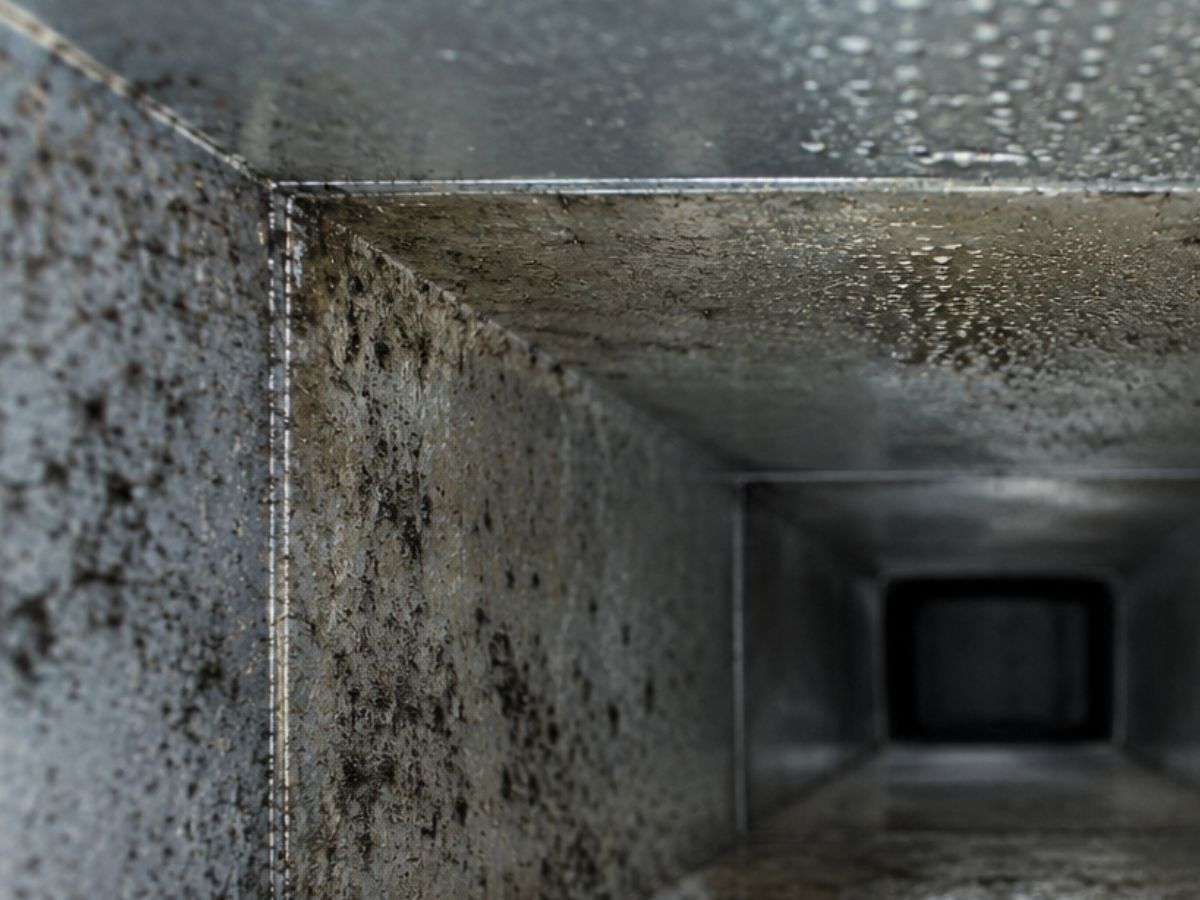
In some cases, homeowners may notice black or dark-colored spots around vent covers or registers. While this does not always confirm mold growth, it is a sign that moisture issues may be developing inside the system.
If you suspect mold inside your ducts, it is important not to disturb the affected area yourself. Scrubbing or vacuuming visible growth without proper containment can spread spores throughout the home.
How Mold Affects Indoor Air Quality
Indoor air quality becomes especially important during the summer because families spend more time indoors with windows closed and air conditioning running constantly.
When mold grows inside your ductwork, spores can circulate throughout the entire home every time the HVAC system turns on. This can impact comfort levels and potentially contribute to health concerns, especially for individuals with allergies, asthma, or respiratory sensitivities.
Poor indoor air quality caused by mold may lead to:
- Ongoing sinus irritation
- Persistent coughing
- Increased asthma flare-ups
- Headaches and fatigue
- Difficulty breathing
- Irritated eyes or throat
Children, elderly adults, and individuals with weakened immune systems are often more sensitive to airborne mold exposure.
Beyond health concerns, mold growth can also reduce HVAC efficiency. Excess moisture and contamination inside the duct system can restrict airflow and force the HVAC system to work harder to cool the home. This can increase energy costs and place additional strain on the equipment during the hottest months of the year.
The Importance of Controlling Indoor Humidity
One of the most effective ways to prevent mold inside air ducts is to control indoor humidity levels. Ideally, homeowners should maintain indoor humidity between 30% and 50% throughout the summer.
When humidity levels climb too high, condensation can begin forming inside the duct system and around vents.
Homeowners can reduce humidity levels by:
- Running a dehumidifier during humid weather
- Using bathroom exhaust fans after showers
- Venting kitchen exhaust fans outdoors
- Keeping crawl spaces dry
- Repairing water leaks quickly
- Scheduling regular HVAC maintenance
Whole-home dehumidifiers are especially beneficial for homes in humid climates like Northwest Indiana. These systems work alongside the HVAC system to remove excess moisture from the air before it becomes a problem.
Even small changes in humidity control can significantly reduce the risk of mold growth inside your air ducts.
Why HVAC Maintenance Matters During Indiana Summers
Routine HVAC maintenance plays a major role in preventing mold problems before they start. During the summer, air conditioning systems work harder and run longer, which increases moisture production within the system.
Without regular maintenance, small problems can quickly become larger issues.
A clogged condensate drain line is one of the most common causes of moisture buildup around HVAC systems. When the drain becomes blocked, water can overflow into the surrounding areas and create ideal conditions for mold growth.
Changing your HVAC filter regularly is another important step. High-quality filters help capture airborne dust, dirt, and mold spores before they enter the duct system.
During professional HVAC maintenance appointments, technicians can inspect for:
- Condensation issues
- Airflow restrictions
- Dirty evaporator coils
- Leaky ductwork
- Damaged insulation
- Standing water near the HVAC system
Identifying these issues early can prevent expensive repairs and help maintain cleaner indoor air throughout the summer.
How Leaky Ductwork Contributes to Mold Growth
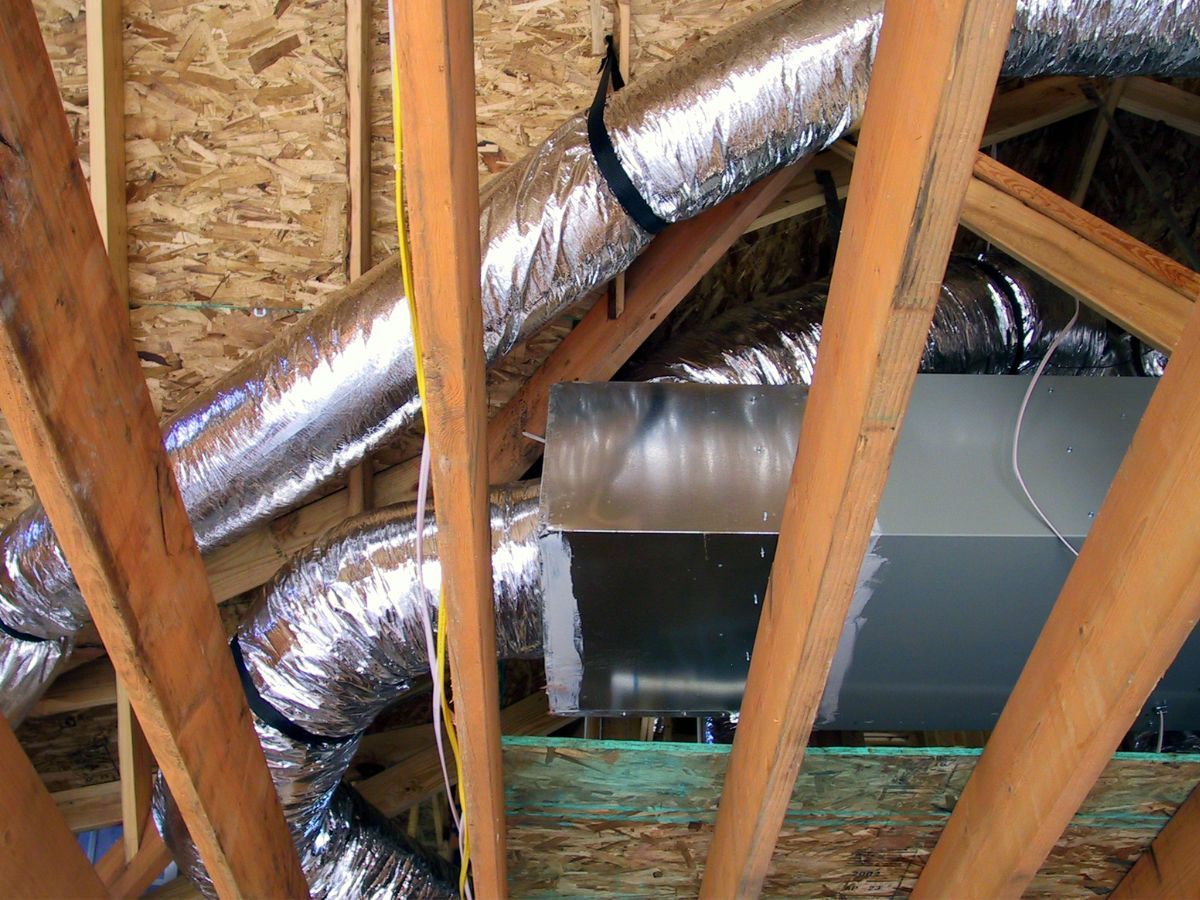
Leaky air ducts are one of the most overlooked causes of mold inside HVAC systems. When ducts are not properly sealed, humid air from attics, crawl spaces, or basements can enter the system.
As that warm air meets cooler surfaces inside the ductwork, condensation forms. Over time, this trapped moisture creates the ideal environment for mold spores to grow and spread.
Older homes in La Porte are especially vulnerable because many still contain aging duct systems with deteriorating seals or insulation.
Leaky ducts can also cause uneven cooling, higher energy bills, excess dust buildup, reduced HVAC efficiency, and increased indoor humidity.
Professional duct inspections can identify hidden leaks and moisture problems before they lead to major contamination inside the system.
Why Professional Mold Removal Is Important
Many homeowners are tempted to clean mold themselves, but mold inside HVAC systems should always be handled carefully. DIY cleaning methods often fail to fully remove contamination and can accidentally spread spores throughout the home.
Professional air duct cleaning and mold remediation services use specialized equipment designed to safely contain and remove contamination from the system.
At Duct Crew, technicians follow NADCA standards for professional duct cleaning and remediation procedures. Specialized negative air machines and HEPA-filtered equipment help prevent mold spores from spreading during the cleaning process.
Professional mold remediation may include:
- HVAC system inspection
- Containment of affected areas
- HEPA vacuuming
- Mechanical duct cleaning
- Removal of contaminated debris
- Antimicrobial treatments when appropriate
The goal is not only to remove visible mold but also to address the underlying moisture issue that caused it in the first place.
The Benefits of Duct Armor® for Long-Term Protection
For homeowners with older or deteriorating duct systems, long-term protection is often just as important as cleaning.
Duct Crew offers Duct Armor® Air Duct Sealing technology, which helps restore and protect aging ductwork from future moisture and mold problems.
This process involves applying a specialized rubberized lining to the inside of the duct system. The lining creates a sealed barrier that helps prevent humid air infiltration and reduces the risk of condensation inside the ducts.
Benefits of Duct Armor® include:
- Helps prevent future mold growth
- Improves airflow efficiency
- Seals duct leaks
- Reduces dust and debris circulation
- Encapsulates deteriorating duct materials
- Helps improve indoor air quality
For many older homes in La Porte, restoring the duct system can be a more cost-effective option than full duct replacement.
Additional Ways to Improve Indoor Air Quality During Summer
Preventing mold is only one part of maintaining healthier indoor air during Indiana summers. Homeowners can take additional steps to improve overall air quality and reduce airborne contaminants inside the home.
One option many homeowners consider is installing UV lights inside the HVAC system. UV lights are designed to help reduce mold spores, bacteria, and other contaminants as air passes through the system.
Regular air duct cleaning can also help remove accumulated dust, debris, allergens, and contaminants before they begin affecting airflow and indoor comfort.
Simple habits like vacuuming regularly with HEPA filters, replacing air filters consistently, and addressing water damage quickly can also help keep your indoor air cleaner.
Why La Porte Homeowners Should Act Early
Many homeowners do not realize mold is developing inside their duct system until odors or health symptoms become impossible to ignore. By that point, contamination may already be widespread throughout the HVAC system.
Taking preventative action early can help homeowners avoid expensive mold remediation, HVAC efficiency problems, poor indoor air quality, allergy irritation, and costly duct replacement.
The humid climate in Northwest Indiana creates conditions where mold problems can escalate quickly during the summer months. Scheduling inspections and maintenance before problems develop is one of the best ways to protect your home and family.
Final Thoughts About Preventing Mold in La Porte Ducts
Humid Indiana summers create the perfect environment for mold growth inside HVAC systems, especially in older homes with aging ductwork or moisture problems. While mold inside air ducts may not always be visible, it can impact indoor air quality, comfort, energy efficiency, and overall health.
Preventing mold starts with controlling indoor humidity, maintaining your HVAC system, replacing air filters regularly, and addressing moisture issues before they worsen. Professional inspections and duct cleaning services can also help identify hidden problems and keep your system operating efficiently during the hottest months of the year.
For homeowners in La Porte, staying proactive is the best defense against mold and humidity-related duct problems. Whether you need duct cleaning, duct sealing, or indoor air quality solutions, Duct Crew provides experienced service designed specifically for the challenges Northwest Indiana homeowners face every summer.
How do I know if there is mold in my air ducts?
Common signs include musty odors when the HVAC system runs, worsening allergy symptoms indoors, visible discoloration around vents, and excess humidity inside the home. A professional inspection is the best way to confirm mold growth inside ductwork.
Can humidity alone cause mold in HVAC ducts?
High humidity can create the moisture conditions needed for mold growth, especially when combined with poor insulation, leaky ducts, or condensation buildup inside the HVAC system.
Is mold in air ducts dangerous?
Mold exposure can contribute to respiratory irritation, allergy symptoms, headaches, and asthma flare-ups for some individuals. Mold inside ductwork can also negatively impact indoor air quality throughout the home.
How often should air ducts be cleaned in Indiana?
Most homes benefit from professional air duct cleaning every 3 to 5 years, although homes with pets, allergies, high humidity, or recent water damage may require more frequent cleaning.
What is the ideal indoor humidity level during summer?
Indoor humidity should generally stay between 30% and 50% to help reduce the risk of mold growth and improve indoor comfort.
Can leaky ducts increase mold growth?
Yes. Leaky ducts allow humid air from attics, basements, and crawl spaces to enter the HVAC system, increasing condensation and creating conditions that support mold growth.
Does air duct cleaning remove mold permanently?
Professional duct cleaning can remove existing mold contamination, but preventing future mold growth also requires addressing the moisture issue that caused the problem in the first place.
What is Duct Armor®?
Duct Armor® is a duct sealing solution that applies a protective rubberized lining inside ductwork to help seal leaks, improve airflow, reduce dust, and prevent future mold growth.
Are UV lights effective for mold prevention?
UV lights installed inside HVAC systems can help reduce airborne mold spores, bacteria, and other contaminants as air circulates through the system.
When should I schedule an HVAC inspection for mold prevention?
Spring and early summer are ideal times to schedule HVAC inspections before humidity levels peak and the air conditioning system begins running constantly.